




Office Address
123/A, Miranda City Likaoli Prikano, Dope
Phone Number
+0989 7876 9865 9
+(090) 8765 86543 85
Email Address
info@example.com
example.mail@hum.com


123/A, Miranda City Likaoli Prikano, Dope
+0989 7876 9865 9
+(090) 8765 86543 85
info@example.com
example.mail@hum.com
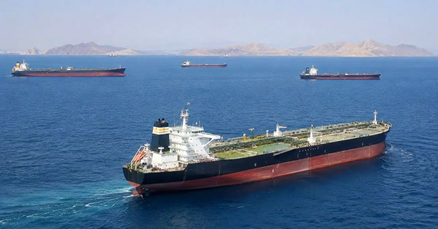
According to Iranian
state media reports carried by Tasnim News Agency and Fars News Agency, the
IRGC Navy said all vessels crossing the strategic waterway did so “with the
permission of and coordination with the IRGC Navy.” The latest figure was higher than the 31
vessels Iran said crossed the strait a day earlier. Earlier this week, the IRGC
reported that 26 ships had passed through the waterway under similar
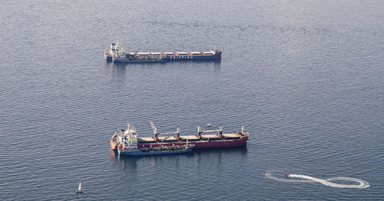
coordination procedures. The Strait
of Hormuz is one of the world’s most important shipping routes for crude oil,
fuel and cargo trade. Any disruption or additional controls in the area can
affect global oil markets, shipping operations and marine insurance costs. Iran’s latest announcement comes as tensions with the United States
continue over shipping access and security in the Gulf region.
Speaking at a NATO
gathering in Helsingborg, Sweden, US Secretary of State Marco Rubio accused
Iran of trying to create a “tolling system” for ships using the Strait of
Hormuz. Rubio also claimed Tehran was trying to convince Oman to join the
proposed mechanism. Rubio said no
country should accept such fees, adding that the strait is an international
waterway where navigation should remain free. A report by The New York
Times said two Iranian officials confirmed that Tehran had discussed a plan
with Oman to charge vessels passing through the strait, with Oman receiving
part of the revenue. According to the report, Oman was initially
reluctant because of possible international criticism, but later reconsidered
after reviewing the possible financial benefits. The dispute has added to wider tensions
between Washington and Tehran linked to sanctions, regional military activity
and Iran’s nuclear programme. US
President Donald Trump said the United States had “total control” of the Strait
of Hormuz through what he described as a highly effective blockade. Trump
said Washington opposed any transit fees in the waterway. “We want it free, we don’t want tolls.
It’s international; it’s an international waterway,” Trump said from the White
House.
Trump also linked the maritime dispute to concerns
over Iran’s enriched uranium stockpile, which US officials believe may have
been moved to underground facilities after earlier US-Israeli air strikes. Reuters,
citing two Iranian sources, reported that Iran’s Supreme Leader Ayatollah
Mojtaba Khamenei ordered that the country’s enriched uranium stockpile “should
not leave the country,” rejecting a key US demand in negotiations.