


Office Address
123/A, Miranda City Likaoli Prikano, Dope
Phone Number
+0989 7876 9865 9
+(090) 8765 86543 85
Email Address
info@example.com
example.mail@hum.com


123/A, Miranda City Likaoli Prikano, Dope
+0989 7876 9865 9
+(090) 8765 86543 85
info@example.com
example.mail@hum.com
Though dual-fuel
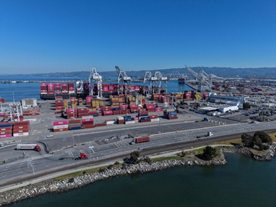
methanol capable vessels are already calling the Port of Long Beach, methanol
bunkering is not yet available there. Aiming to change that, the port has
established a $1 million award for the first oceangoing vessel to refuel at its
harbor with methanol on a commercial scale in an effort to jumpstart the
industry’s transition to cleaner, lower-carbon fuels like methanol. Approved
Monday by the Long Beach Harbor Commission, the Clean Fuel Bunkering Challenge
is expected to send a strong signal to the global market of the interest in
expanding the availability of clean marine fuels. “We know the shipping industry is
considering moving toward adopting methanol marine fuel for some great reasons
– they want to reduce greenhouse gas emissions and improve air quality. Today,
we’re giving them 1 million more reasons to embrace clean fuels,” said Port of
Long Beach CEO Dr. Noel Hacegaba. “T“We know the shipping industry is
considering moving toward adopting methanol marine fuel for some great reasons
– they want to reduce greenhouse gas emissions and improve air quality. Today,
we’re giving them 1 million more reasons to embrace clean fuels,” said Port of
Long Beach CEO Dr. Noel Hacegaba. “This is about demonstrating that we’re
serious about creating a North American market for methanol bunkering, and
giving the industry an incentive to invest. We’re also seeing how rising fuel
costs are strengthening the case for energy diversification and greater energy
independence.” “The Port of Long
Beach has been advancing the commercial availability of clean technology and
sustainability solutions for decades,” said Long Beach Harbor Commission
President Frank Colonna. “This is the most direct and practical lever we can
pull to demonstrate the feasibility of bunkering methanol fuel in San Pedro
Bay.”
According to the port, when compared to
conventional marine fuel, a ship running on methanol emits significantly less
pollutants, reducing nitrogen oxide emissions by up to 50%, sulfur oxides by
95% and particulate matter by 90%. Major global shipping companies are heavily
investing in dual-fuel methanol vessels, some of which are already visiting
Long Beach. However, methanol fuel is not currently available at the port,
necessitating methanol-capable ships to depart using conventional bunker fuel.
With current pricing, refueling a vessel with
methanol would cost about $1.5 million per call compared to approximately $1
million for conventional fuel. The port award is intended to offset the
difference, and provide another $500,000 toward additional costs including
development of operational and safety procedures and working with fuel
providers and distributors, as well as local permitting agencies.
The Clean Fuel
Bunkering Challenge is part of a concerted strategy by the Port of Long Beach
to encourage cleaner ships and clean marine fuels, with development informed by
discussions with shipping partners about their challenges and interests. It was
also inspired by the commercial availability of the fuel at the ports of
Shanghai and Singapore, two participants in Green Shipping Corridors with the
San Pedro Bay ports. Within the next year, the port intends to update the Green
Ship Incentive Program to encourage more routine cleaner ship visits, which
could further boost the methanol market. Pending revisions include updated
scoring and incentive metrics, in collaboration with other international
ports. Establishment of the Clean
Fuel Bunkering Challenge was welcomed by Pacific Environment,
“Frontline communities in Los Angeles and Long
Beach suffer from some of the worst pollution in the nation,” said Cristhian
Tapia-Delgado, climate campaigner for Southern California, Pacific Environment.
“We applaud the Port of Long Beach for approving $1 million to move ocean shipping
lines to clean bunkering, but we urge the port to do everything possible to
ensure the cleanest, safest and most sustainable alternative fuels are the ones
that achieve long-term success at the port.”
“The Port of Long
Beach has long served as a national leader in deploying shore power
infrastructure and advancing emissions-reduction technologies, and we must ensure
this momentum continues as the next generation of cleaner vessels enters
service,“ notes Pacific Environment. “Achieving the Port of Long Beach’s goals
of phasing out emissions from all seaport-related activities will require a
large-scale transition to next-generation maritime fuels capable of achieving
low- and near-zero greenhouse gas emissions.“ “We know there is no single, magic fuel
solution today, but methanol is emerging as one of the leading fuel
alternatives in the maritime industry,” said Davina Hurt, climate policy
director for Pacific Environment. “As this transition moves forward, shippers
and the port must ensure that robust safety precautions must be in place to
protect port workers and surrounding communities. At the same time, we urge
shipping companies and the Port of Long Beach to carefully choose the cleanest
and safest fuel today, choosing any type of methanol is short-sighted. Not all
methanol pathways are equal, and long-term investments should focus on truly green
methanol solutions that deliver the strongest climate and public health
benefits.”