




Office Address
123/A, Miranda City Likaoli Prikano, Dope
Phone Number
+0989 7876 9865 9
+(090) 8765 86543 85
Email Address
info@example.com
example.mail@hum.com


123/A, Miranda City Likaoli Prikano, Dope
+0989 7876 9865 9
+(090) 8765 86543 85
info@example.com
example.mail@hum.com
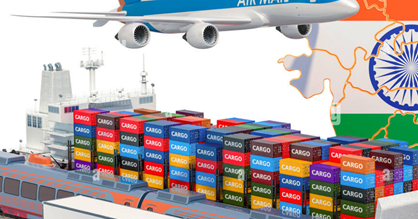
India has achieved a
near-one-third reduction in logistics costs through a sustained infrastructure
investment drive, according to industry estimates and government assessments.
The gains, spread across road, rail, port and digital freight systems, mark a
structural improvement in the country’s supply chain competitiveness — a key
prerequisite for realising its ambitions as a global manufacturing hub. The cost reduction has been driven
primarily by investments under PM Gati Shakti — the government’s integrated
infrastructure planning framework — and complementary schemes including the
National Logistics Policy, Bharatmala highway expansion, the Western and
Eastern Dedicated Freight Corridors (DFCs), and Sagarmala’s port connectivity
initiatives. The Dedicated Freight
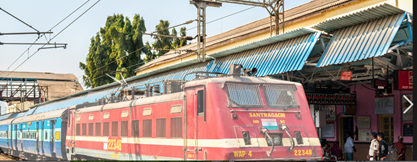
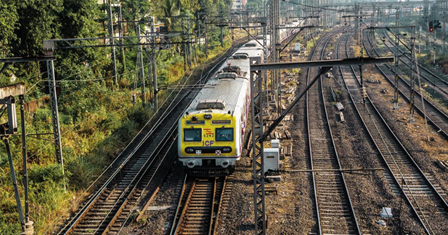
Corridors, in particular, have been a game changer. The Western DFC, connecting
JNPA to Punjab, and the Eastern DFC, running from Ludhiana to Kolkata, have
significantly accelerated cargo movement and reduced dwell times at inland
container depots. Heavy-haul double-stack trains — running at speeds and
capacities previously unavailable on Indian railways — are moving bulk and
container cargo at a fraction of the time and cost of road haulage. Port modernisation has also contributed
substantially. Faster vessel turnarounds, increased mechanisation at berths and
terminals, improved pre-gate systems and better port-hinterland connectivity
have collectively reduced the cost of maritime-related logistics. The
introduction of e-way bills, faceless customs and the Unified Logistics
Interface Platform (ULIP) have digitised several friction points that
historically added time and cost to supply chains. The impact is felt across
manufacturing sectors. Automotive, textiles, electronics, agri-products and
e-commerce companies all report lower transit times and improved predictability
in their supply chains. Export competitiveness — particularly for
labour-intensive goods where freight costs as a proportion of product value are
higher — has improved noticeably.
India has set an ambitious
target to reduce logistics costs to 8 per cent of GDP, from an estimated 13-14
per cent a decade ago. The country will require approximately 215 multimodal
logistics parks by 2047 to fully support its projected manufacturing and trade
volumes. Continued investment in last-mile connectivity, cold chain
infrastructure, warehousing and digital integration will be essential to
sustaining this trajectory and ensuring India’s supply chain competitiveness
keeps pace with its manufacturing growth ambitions.