




Office Address
123/A, Miranda City Likaoli Prikano, Dope
Phone Number
+0989 7876 9865 9
+(090) 8765 86543 85
Email Address
info@example.com
example.mail@hum.com


123/A, Miranda City Likaoli Prikano, Dope
+0989 7876 9865 9
+(090) 8765 86543 85
info@example.com
example.mail@hum.com
The Hormozgan Provincial Command of the IRGC Navy have been sanctioned
by the Council of the EU, along with the IRGC Navy’s deputy commander of
political affairs, Mohammad Akbarzadeh, and Hamid Hosseini, a representative of
Iran’s Oil, Gas and Petrochemical Products Exporters’ Union.
The EU said Iran undermines freedom of
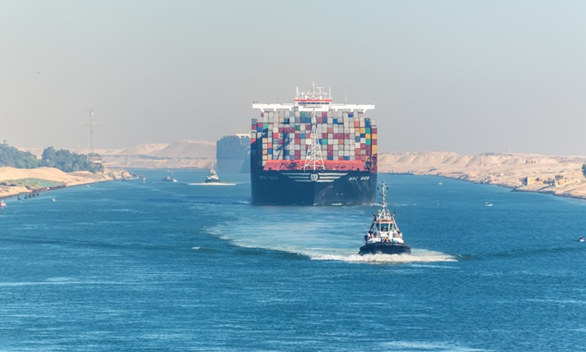
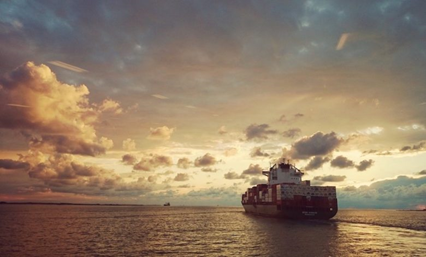
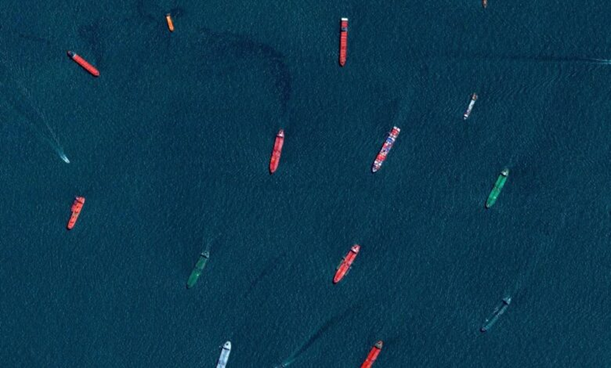
navigation by attacking vessels and enforcing a toll system in the Strait of
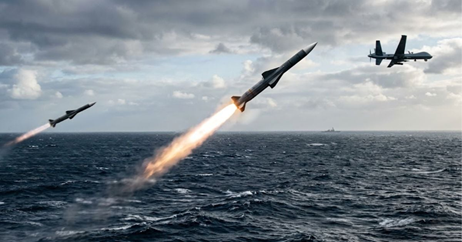
Hormuz, alleging that Akbarzadeh threatens to use missiles or drones against
vessels transiting the strait. “In his capacity, Hosseini promotes the policy
of submitting, undergoing assessment, and paying transit fees to Iranian
authorities for safe passage through the Strait of Hormuz,” an EU press release
said.
Sanctioned entities are subject to an asset freeze, an EU travel ban,
and it is prohibited to provide them with funds or economic resources.
The application of sanctions follows a
decision on 22 May this year to expand the EU’s sanctions regime on Iranian
support for Russia’s war in Ukraine to also target those involved in Iran’s
curtailing of freedom of navigation in the Middle East.
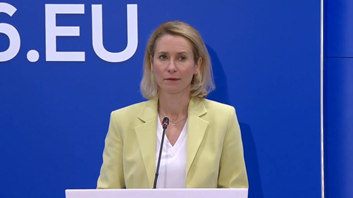
“Ministers were clear today that Iran's
actions are unacceptable,” said Kaja Kallas, high representative for foreign
affairs and security policy and vice-president of the European Commission. “In
response, EU Member States in Brussels today approved sanctions against the
Iranian individuals and entities involved in disrupting transit through the
Strait of Hormuz. This is the first time the EU has applied its new freedom of
navigation sanctions regime, and where necessary [it] will apply it
again.” The announcement comes after
Iran and Israel exchanged attacks overnight; Iran said it carried out military
action due to Israeli air strikes on Lebanon on 7 March. “Our operation Aspides is making a crucial
contribution protecting shipping in the Red Sea. The latest threat by Houthis
to target ships also in the Red Sea shows how important this mission is,” said
Kallas.