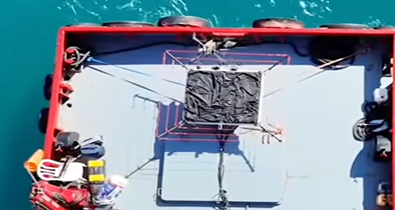
WaiV Robotics launches its autonomous drone landing platform in the U.S.
The expansion comes as offshore energy
infrastructure is moving farther offshore, increasing the need for faster, more
flexible inspection, maintenance, and emergency response capabilities . WaiV’s
system pairs AI-powered predictive algorithms with its patent-pending
catch-lock-release technology to support reliable UAV recovery, even as vessels
navigate challenging maritime environments.
As oil and wind-energy operations continue to push into more remote and
demanding offshore environments, safe and reliable drone-enabled operations become even more critical, says the company,
Mechanical failures, structural damage, or security incidents often require
rapid assessment, but access windows are frequently limited by distance and sea
conditions. While UAVs can reduce the need for crew-based inspections, their
value depends on their ability to recover safely and remain operational in
unpredictable offshore conditions.
Saying that it is the first company to solve fully
autonomous UAV landings at sea, WaiV provides the infrastructure needed to make
drone operations reliable in rough maritime conditions. WaiV’s platform enables
operators to launch and recover UAVs directly from moving vessels, allowing
drones to serve as operational tools rather than one-time inspection assets. The
platform helps extend situational awareness and operational reach across remote
environments.
The system’s capabilities include: Gyro-stabilized
landing surface that actively compensates for wave conditions;AI-enabled flight
control command to UAV that takes over in the final approach to touchdown,
eliminating human error from the landing sequence; Proprietary landing pad that
absorbs impact and locks onto the UAV’s skids to secure in high-sea conditions
and broad compatibility with vertical takeoff and landing UAVs, including
multirotor, fixed-wing, and helicopter configurations, with no UAV
modifications required.
In the energy sector,
WaiV’s platform enables UAVs to inspect active wind turbines, support oil and
gas infrastructure maintenance, detect and track leaks and coordinate cleanup
logistics, monitor activity around critical assets, and assist offshore
operations vessels. The U.S. expansion follows WaiV’s recent $7.5 million seed
funding round and reflects growing demand for autonomous infrastructure that
can support drone operations in harsh maritime environments. “The future of offshore energy depends on
the ability to maintain and support assets over time,” says Johnny Carni,
founder and CEO of WaiV Robotics. “As energy assets continue to move farther
from shore, operators need more efficient ways to maintain, support, and
respond to issues across remote infrastructure. Our platform was built to make
UAVs a reliable part of offshore operations, ensuring they can be used for
missions where speed, safety, and access matter most. As we expand into the
U.S., we look forward to helping American operators transform their existing
vessels into dependable hubs for all types of maritime operations.”
Related News