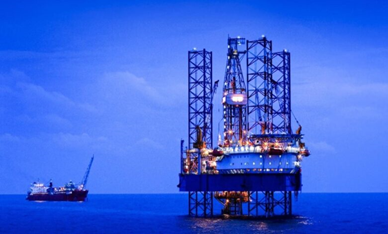
Middle East conflict derails jackup market recovery
In January 2026, London-based energy market
research firm Westwood said that the global jackup market would begin its long‑anticipated
recovery from mid-to-late 2026. That optimism was underpinned by demand from
the world’s most active jackup basin, the Arabian Gulf, which alone accounts
for around 36% of global jackup supply. Early
signals appeared encouraging. A growing number of developments moved closer to
final investment decision, and high‑impact exploration successes, particularly
offshore Kuwait, reinforced longer‑term activity visibility. Several previously
suspended jackups were expected to return to work with Aramco, while many
others found new work elsewhere. However, that trajectory has since been
disrupted by the escalation of conflict in the Middle East beginning in
February 2026. Missile strikes, drone activity, and naval incidents across the
region have materially altered the operating environment. Offshore operators have responded by prioritising
personnel safety and asset protection, prompting a range of precautionary
measures, such as temporary evacuations, down‑manning of rigs, delays to new
drilling campaigns, more rig suspensions in Saudi Arabia, and early rig
contract terminations in Qatar. Also, several rigs that were scheduled to
restart operations with Aramco have yet to return to work,
Westwood stated that in late 2025 and the opening
months of 2026, operators across the region issued a wide tranche of jackup
tenders totalling approximately 56 rig‑years of potential demand, with
anticipated start‑ups in 2026 and 2027. “With
demand temporarily subdued and limited scope for rigs to relocate out of the
region, working utilisation of the marketed fleet has deteriorated sharply –
from 83% in early February, prior to the outbreak of hostilities, to around 69%
by late April,” Westwood explained in its analysis.
Many of
the rigs affected by evacuations or down‑manning are still under contract but
inactive, meaning committed utilisation remains comparatively resilient at
approximately 90%. However, this figure could decrease if any other early
contract terminations occur. Westwood’s original outlook anticipated a
strengthening Middle East market in 2026, with committed utilisation expected
to rise from 94% in 2025 to 96%. Westwood now believes that committed
utilisation will likely settle in the 89-91% range for full‑year 2026,
recognising that a prolonged or escalating conflict could materially alter the
balance once again. Recently, there has
been some discussion around a potential easing of tensions between Iran and the
US, which, if it continues to gather momentum, could help stabilise the region
and support a return to more normalised offshore activity. Any sustained move
toward de-escalation would likely provide a meaningful tailwind for operator
confidence.
Related News