




Office Address
123/A, Miranda City Likaoli Prikano, Dope
Phone Number
+0989 7876 9865 9
+(090) 8765 86543 85
Email Address
info@example.com
example.mail@hum.com


123/A, Miranda City Likaoli Prikano, Dope
+0989 7876 9865 9
+(090) 8765 86543 85
info@example.com
example.mail@hum.com
The agreement is anticipated to bring immediate relief
to India’s energy sector by ensuring smoother oil and gas supplies from the
Middle East through the Strait of Hormuz, a critical maritime trade route. More
importantly, it could reopen opportunities for India to resume full-scale
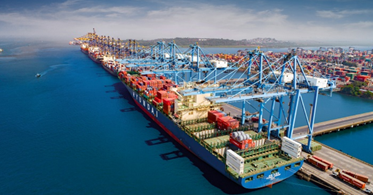
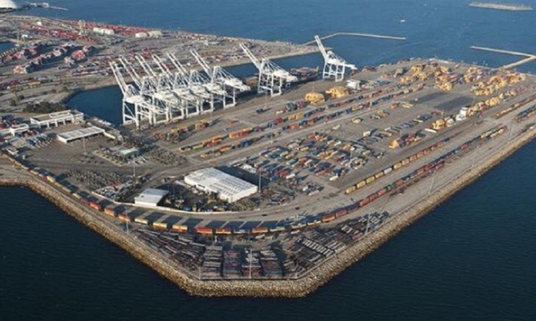
operations and investments at Iran’s strategically located Chabahar Port. India’s
participation in the Chabahar project was severely impacted after the United States
re-imposed sanctions on the port on September 29, 2025. In response, India
submitted a plan detailing how it would wind down operations at Chabahar,
including activities at the Shahid Beheshti Terminal. Based on these
assurances, the US Treasury Department’s Office of Foreign Assets Control
(OFAC) granted a six-month sanctions exemption, which expired on April 26,
2026. Anticipating potential
sanctions, India had transferred its entire committed investment—estimated at
around $120 million—more than a year before restrictions were reintroduced. The
funds were earmarked for the development of Chabahar Port, a project viewed as
crucial to India’s regional connectivity strategy. Following the sanctions, India
Ports Global Ltd (IPGL), the state-owned company responsible for developing and
operating the port, faced significant operational challenges.
Government-appointed directors resigned from the company’s board, while its
official website was taken offline to shield stakeholders from potential
sanctions-related exposure.
The situation worsened in January 2026 when US
President Donald Trump announced that countries conducting business with Iran
could face a 25 per cent tariff on all trade with the United States, further
complicating India’s engagement with the Persian Gulf nation.
Sanctions also
created barriers to repatriating funds generated from port operations and posed
regulatory hurdles for any potential divestment from the project. Such a move
would have required approvals from the Reserve Bank of India (RBI) and the
Department of Investment and Public Asset Management (DIPAM). Despite these challenges, Indian
officials maintained that Chabahar’s value extended far beyond financial
returns. “Money was not the issue; it is a strategic location for India,” an
official familiar with the matter said.
In March 2024, India and Iran signed a landmark
10-year agreement granting India operational rights over the Shahid Beheshti
Terminal, cementing New Delhi’s long-term commitment to the project. Situated in Iran’s Sistan-Baluchistan
Province on the country’s southeastern coast, Chabahar Port provides India with
direct access to Afghanistan and Central Asia, bypassing Pakistan. The port is
also a key component of the International North-South Transport Corridor
(INSTC), a 7,200-kilometre multimodal network connecting India with Iran,
Afghanistan, Azerbaijan, Russia, Central Asia and Europe through sea, rail and
road links. With the prospect of sanctions relief following the US-Iran peace deal,
India could regain momentum in developing Chabahar as a major regional trade
and connectivity hub, strengthening its strategic footprint across Central Asia
and beyond.