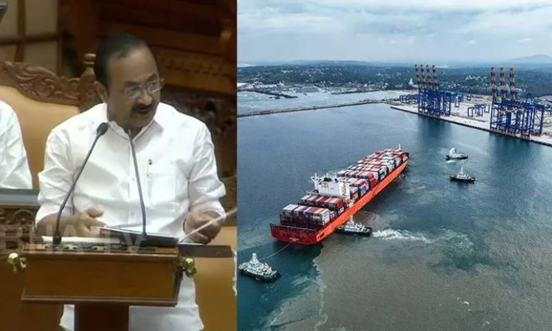
Kerala Unveils ‘Mission Samudra’ to Build Port-Led Economy, Allocates ₹400 Crore
Presenting the
revised Budget in the Legislative Assembly, Satheesan said the initiative forms
a key pillar of the government’s vision to build a “Puthuyuga Kerala”—a new-age
state driven by inclusive growth, sustainable infrastructure and maritime-led
economic development. The Chief
Minister said Kerala’s strategic advantages, including its 600-km coastline,
two international ports, two container transshipment terminals, 17 non-major
ports and extensive inland waterways, would be leveraged to position the state
prominently on the global maritime map.
As part of the
initiative, Kerala will be developed as an integrated port city economy,
connecting roads, railways, sea routes, inland waterways, manufacturing zones
and emerging urban centres to create a vibrant maritime ecosystem.
To strengthen connectivity with the state’s flagship
port, the government will accelerate land acquisition and construction of the
Balaramapuram–Vizhinjam railway line and the Vizhinjam–Navayikulam Outer Ring
Road. Logistics infrastructure, including stuffing centres and dry ports, will
also be developed around the ports of Vizhinjam International Seaport and
Cochin Port.
Highlighting
opportunities emerging from the global transition towards cleaner energy,
Satheesan announced plans to develop Vizhinjam as India’s first port offering
green bunkering services, catering to vessels using environmentally sustainable
fuels. The Budget also proposes the establishment of a shipbuilding and ship
repair hub, supported by dedicated infrastructure development and land
acquisition. The government stated that employment opportunities created in the
coastal and maritime sectors would be prioritised for local communities.
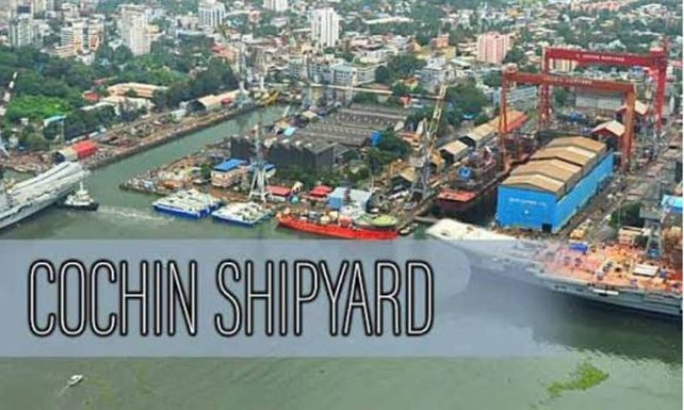
Under Mission Samudra, Kerala will pursue the
development and modernization of key ports including Vizhinjam International
Seaport, Kovalam, Kollam, Beypore and Azhikkal Port. The
Chief Minister further announced that the government will formulate a
comprehensive Kerala Maritime Policy to promote maritime tourism, logistics,
port-based industries, shipping-related services, maritime law education and
the establishment of a maritime museum through public-private partnerships. Port
lands and existing maritime assets will be leveraged to support these
initiatives. To improve coastal and
inland connectivity, the state will expand water transport links connecting
major and minor ports in a phased manner. An initial allocation of ₹50 crore
has been earmarked for the first phase of the programme.
The Mission Samudra initiative is expected to play a
central role in Kerala’s long-term economic strategy, positioning the state as
a leading maritime gateway for trade, logistics, green shipping and port-led
industrial growth.
Related News