




Office Address
123/A, Miranda City Likaoli Prikano, Dope
Phone Number
+0989 7876 9865 9
+(090) 8765 86543 85
Email Address
info@example.com
example.mail@hum.com


123/A, Miranda City Likaoli Prikano, Dope
+0989 7876 9865 9
+(090) 8765 86543 85
info@example.com
example.mail@hum.com
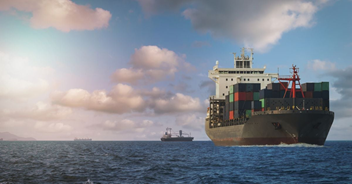
The clarification is important for global trade
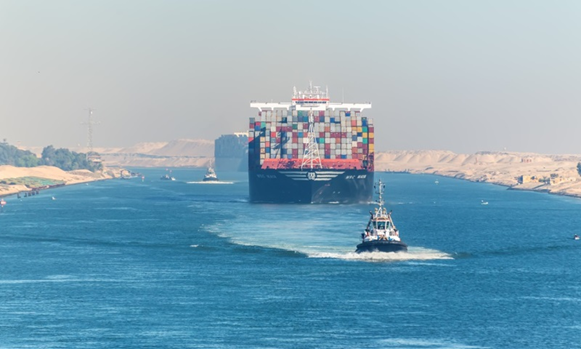
because the Strait of Hormuz is one of the world’s most critical shipping
routes, carrying around one-fifth of global oil and liquefied natural gas
shipments. Any disruption in the passage is closely watched by energy markets
and shipping companies worldwide.
Iranian Foreign
Ministry spokesperson Esmaeil Baghaei, speaking through state broadcaster Press
TV, called the reports “baseless” and said they did not reflect the situation
on the ground. He said shipping
continues normally following a ceasefire memorandum signed with the United
States on June 18.
The agreement was signed electronically between
United States President Donald Trump and Iran President Masoud Pezeshkian,
aiming to reduce tensions after months of conflict.
Per reports, Iran’s
Islamic Revolutionary Guard Corps (IRGC) ordered the strait closed again and
accused the United States of violating the agreement. Under the deal’s Clause 5, Iran has agreed
to help ensure safe passage for commercial ships through the Strait of Hormuz
and nearby waters.
Ships moving between
the Persian Gulf and the Gulf of Oman will not be charged for 60 days after the
agreement was signed. Shipping is also expected to resume fully while Iran
works to clear navigation hazards left from the conflict, including demining
operations, which are expected to be completed within 30 days. Iran, Oman, and
other Gulf states will also hold talks on how the strait should be managed in
the future.
Even though Iran says the strait is open,
authorities have added a new requirement for ships.
The Persian Gulf Strait Authority (PGSA) said
vessels must now submit transit requests at least 48 hours before entering the
area. This is meant to avoid delays when entering or leaving the strait.
The Strait of Hormuz
is one of the most important energy routes in the world. It is a narrow passage
used by oil and gas tankers travelling from Gulf producers to global markets.
Because of this, any change in access or rules can quickly affect global
shipping costs and energy supply expectations.