


Office Address
123/A, Miranda City Likaoli Prikano, Dope
Phone Number
+0989 7876 9865 9
+(090) 8765 86543 85
Email Address
info@example.com
example.mail@hum.com


123/A, Miranda City Likaoli Prikano, Dope
+0989 7876 9865 9
+(090) 8765 86543 85
info@example.com
example.mail@hum.com
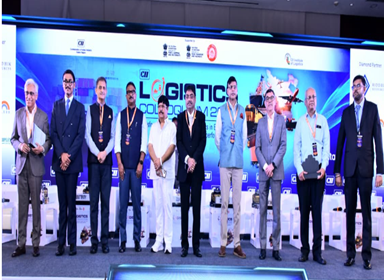
Addressing industry stakeholders during the CII Logistics Colloquium 2026, SMPK
Chairman Shri Rathendra Raman outlined a series of strategic
initiatives aimed at enhancing port capacity, boosting tourism and creating new
industrial infrastructure. Among the flagship projects is the redevelopment of
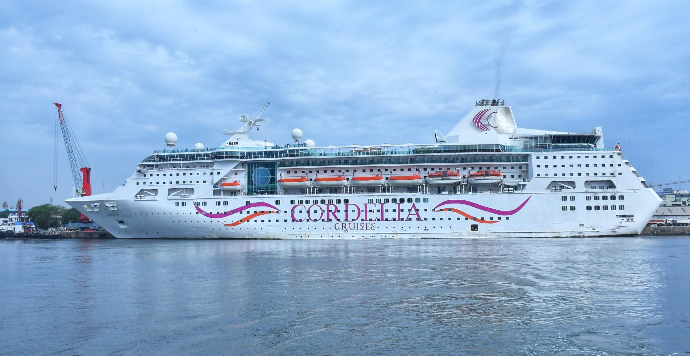
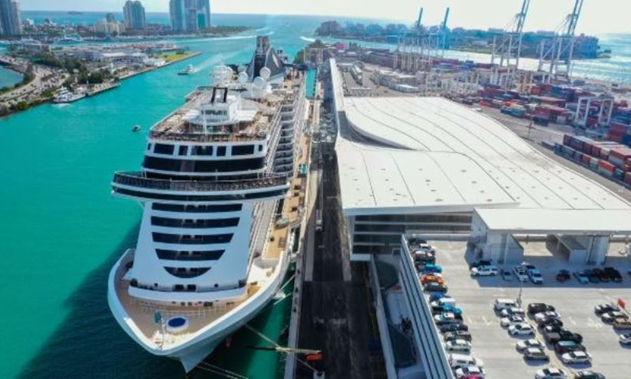
the Garden Reach waterfront into a vibrant cultural and tourism destination,
featuring a world-class river cruise terminal and a maritime museum designed to
attract domestic and international visitors.
The port authority is also advancing plans for new
industrial and logistics infrastructure, including a logistics park at Haldia
and dedicated tea and textile parks on port-owned land. These initiatives form
part of a broader investment programme comprising 15 infrastructure projects
with an estimated outlay of ₹6,000 crore.
SMPK has set an
ambitious target of increasing annual cargo handling volumes to 120 million
metric tonnes within the next three to four years, up from its current capacity
of 93 million metric tonnes. According to Raman, ongoing modernisation and
mechanisation efforts are expected to enhance operational efficiency and
reinforce the port’s competitiveness in the evolving maritime landscape.
A key milestone in
this transformation is the ongoing development of the Netaji Subhas Dock, where
significant private sector participation has been secured through an investment
commitment of approximately ₹1,500 crore by JSW Infrastructure.
The Adani Group, meanwhile, is examining opportunities
to deepen its presence in West Bengal through investments spanning ports,
logistics, power transmission and distribution, cement manufacturing, data
centres and innovative transportation solutions. The conglomerate is also
evaluating the potential of river-based mobility and logistics services,
including the development of an e-commerce-oriented river taxi network that
could leverage the state’s extensive inland waterways system. Highlighting the strategic importance of
eastern India, Subrat
Tripathy, President – Business Development at Adani Ports & Special
Economic Zone Ltd., noted that the region possesses the
potential to emerge as a major gateway linking India with Southeast Asian
markets. He emphasized that greater adoption of artificial intelligence in
logistics could improve efficiency, lower operating costs and strengthen safety
standards across the supply chain.
Tripathy also underscored the need for a more balanced multimodal
transportation network, pointing to the heavy dependence on road transport and
the untapped potential of inland waterways as areas requiring focused attention.
On the policy
front, West Bengal
Labour and Transport Minister Shri Arjun Singh announced that
the state government is preparing a comprehensive transport sector roadmap,
expected to be finalized within the next quarter. The framework will align with
provisions of the Labour Code while supporting industrial growth and investment
promotion, particularly in heavy industries.
Further discussions
at the colloquium highlighted the importance of strengthening regional and
cross-border trade. Land
Ports Authority of India Chairman Jayant Singh advocated deeper
economic engagement with neighbouring countries such as Bangladesh and Bhutan,
suggesting that Frontier Economic Zones could serve as catalysts for trade
expansion and regional economic integration. The event also witnessed the release of a
new industry assessment titled Manufacturing Readiness in West Bengal, prepared
by CII West Bengal. The report examines the state’s industrial preparedness and
opportunities for future growth.
Industry leaders attending the conference stressed
that modern logistics networks will be central to India’s manufacturing
ambitions. Debashis Dutta, Chairman of the CII Eastern Region Infrastructure
& Logistics Sub-Committee, emphasized the growing role of data-driven
supply chains and integrated logistics systems in enhancing competitiveness and
supporting sustainable economic development.
With strong participation from government agencies, industry leaders and
logistics experts, the colloquium reinforced West Bengal’s emerging role as a
strategic gateway for trade, manufacturing and multimodal connectivity in
eastern India.