




Office Address
123/A, Miranda City Likaoli Prikano, Dope
Phone Number
+0989 7876 9865 9
+(090) 8765 86543 85
Email Address
info@example.com
example.mail@hum.com


123/A, Miranda City Likaoli Prikano, Dope
+0989 7876 9865 9
+(090) 8765 86543 85
info@example.com
example.mail@hum.com
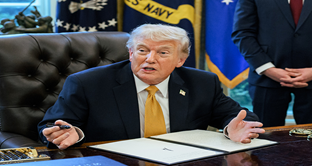
The waiver has been strongly opposed by U.S. maritime and Chairman Comer notes that the Jones Act plays a
critical role in Kentucky’s economy, protecting barge companies headquartered
in Paducah and supporting thousands of maritime jobs in one of the nation’s
leading inland maritime hubs.
In a letter to
President Donald J. Trump, the Republican lawmakers emphasized that this
Administration understands the strategic importance of the Jones Act to U.S.
economic and national security interests and encouraged the use of alternative
tools to address fuel and fertilizer costs. “We appreciate your longstanding support
and attention to the challenges facing our domestic shipping industry. As you
outlined in your visionary Maritime Action Plan (MAP), a strong maritime
industrial base is essential to the nation’s economic and national security,
particularly as the United States works to reinforce its global strategic
position. Your acknowledgement in the MAP that less than one percent of new
commercial ships are built in the United States underscores the importance of
protecting durable domestic maritime policy and safeguarding against foreign
encroachment in our nation’s waterways. Our nation’s strongest shield against
foreign exploitation of American waterways is the Jones Act, which requires
vessels transporting cargo between U.S. ports to be American-built, American-owned,
American-crewed, and American-flagged,” wrote the Republican lawmakers. According to U.S. Army Corps of Engineers, the U.S. maritime system
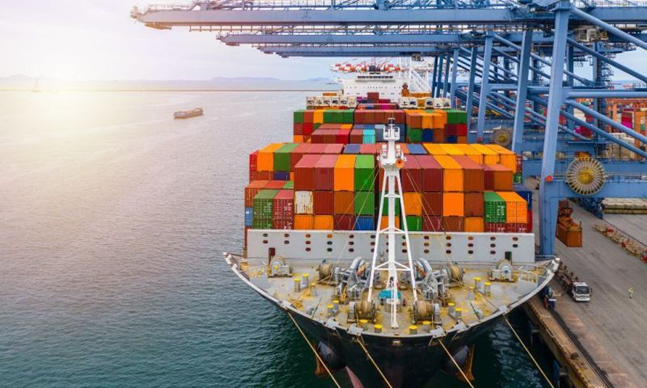
transports more than 760 million tons of cargo annually, including agricultural
products, energy resources, and other essential commodities. The current Jones
Act waiver, issued to address rising fuel and fertilizer costs, has allowed
foreign-flagged vessels to operate in domestic commerce even when U.S.-flagged
vessels were available. Data from the Maritime Administration indicates that
approximately 95 percent of waiver voyages have been conducted by foreign
maritime operators that are not subject to U.S. tax obligations or domestic
regulatory requirements. “The
Jones Act ensures that domestic waterborne commerce is conducted by U.S.
vessels and mariners rather than by heavily subsidized foreign competitors.
Over time, it has helped sustain a safe and reliable commercial fleet,
supporting hundreds of thousands of well-paying American maritime jobs. In
short, the Jones Act waiver has become a loophole exploited by adversarial
countries to erode America’s maritime dominance. We write to respectfully
request that the current Jones Act waiver be allowed to expire as scheduled on
August 16, 2026, and encourage you to utilize alternative policy tools to
address fuel and fertilizer costs while preserving the strength of the American
maritime industry. We stand ready to support your continued efforts to
strengthen American economic and maritime dominance,” concluded the lawmakers.