




Office Address
123/A, Miranda City Likaoli Prikano, Dope
Phone Number
+0989 7876 9865 9
+(090) 8765 86543 85
Email Address
info@example.com
example.mail@hum.com


123/A, Miranda City Likaoli Prikano, Dope
+0989 7876 9865 9
+(090) 8765 86543 85
info@example.com
example.mail@hum.com
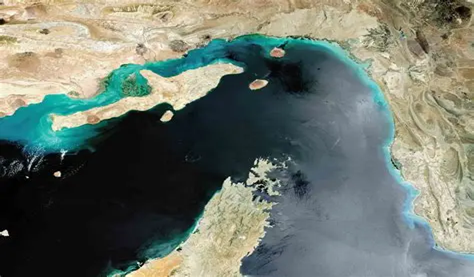
A total of
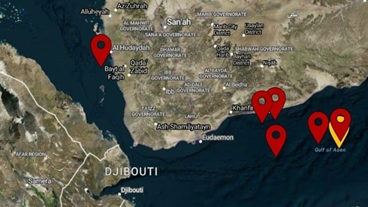
43 vessels crossed the strait on July 2, down from 53 the previous day, according
to data from S&P Global Commodities at Sea. The decline marks the lowest
daily transit count in four days and comes amid continuing jitters around the
waterway. Outbound crossings numbered 23 vessels, exceeding inbound movements
for the first time since June 26. Energy tankers accounted for less than half
of total transits, with five vessels crossing without transponders
activated. Nearly 60% of the
transits comprised Iran-linked vessels.
Platts, part of S&P Global Energy, assessed the
rate to carry a 140,000 metric ton cargo of crude from the Persian Gulf to
UK/Continent at $101.37/mt July 3, level on the day and above a five-year
average of $26.82/mt. Among
inbound traffic, 10 tankers moved into the Persian Gulf, comprising two LPG
vessels, four VLCCs, two Suezmax vessels and two product tankers. Six of these
inbound tankers were linked to Iran. Three Sinokor-linked VLCCs entered the
strait for the first time since the start of the conflict, alongside the
US-sanctioned VLCC Serena, which belongs to National Iranian Tanker
Company. No VLCC exits were recorded
on July 2. Outbound tanker transits comprised eight product tankers, one
Aframax, one Suezmax and one LPG carrier. The Aframax Nordic Vega, belonging to
Nordic American Tankers, exited the Gulf laden with fuel oil loaded from
Kuwait’s Al Zour refinery after remaining inside the waterway since the start
of the conflict.