




Office Address
123/A, Miranda City Likaoli Prikano, Dope
Phone Number
+0989 7876 9865 9
+(090) 8765 86543 85
Email Address
info@example.com
example.mail@hum.com


123/A, Miranda City Likaoli Prikano, Dope
+0989 7876 9865 9
+(090) 8765 86543 85
info@example.com
example.mail@hum.com
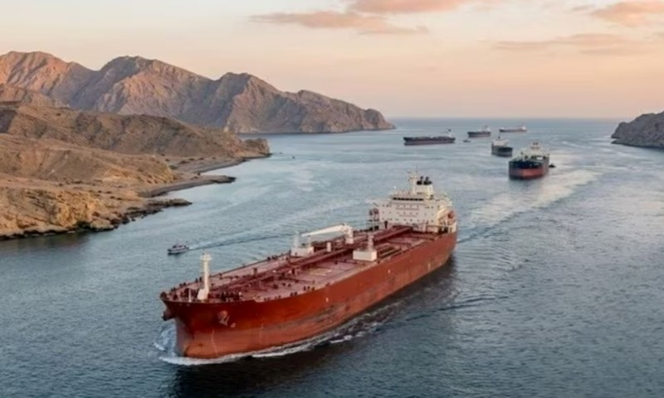
According to sources familiar with the developments,
the Government of India is closely monitoring the movement of the vessels,
which are carrying crude oil and liquefied petroleum gas (LPG). Around 198
Indian seafarers are onboard the nine tankers awaiting clearance to transit one
of the world’s most critical energy shipping lanes. The
Ministry of External Affairs is expected to initiate discussions with Iranian
authorities regarding the safety of Indian seafarers operating in the region.
India’s concerns have intensified following the deaths of at least three Indian
mariners during attacks on commercial vessels in the Gulf of Oman in June. The
security situation in the Strait of Hormuz remains volatile. Although an
interim peace agreement between the United States and Iran in June briefly
improved vessel movements, recent attacks on ships and fresh U.S. military
strikes on Iranian targets have once again heightened tensions and disrupted
shipping activity. Despite the
deteriorating security environment, a limited number of vessels continue to
transit the strait. However, ship operators remain cautious. One India-flagged
very large crude carrier (VLCC), Lila
Vadinar, reportedly reversed course after reaching the Musandam
Peninsula off Oman, highlighting the growing concerns over navigational
safety. The prolonged
instability has also affected India’s energy imports. Since the conflict
escalated in late February, only around 50 India-bound vessels have
successfully transited the Strait of Hormuz, significantly below normal levels.
Indian refiners and energy buyers have yet to fully resume imports of crude
oil, LPG and liquefied natural gas (LNG) from Middle Eastern suppliers. Before
the conflict, the Strait of Hormuz handled approximately 40% of India’s crude oil imports, 60% of its
LNG imports, and nearly 90% of its LPG supplies, making uninterrupted
access through the strategic waterway crucial for the country’s energy
security.
The developments
underscore India’s growing diplomatic and maritime focus on safeguarding its
energy supply chain and ensuring the safety of Indian seafarers amid continuing
geopolitical uncertainty in the Gulf region.