




Office Address
123/A, Miranda City Likaoli Prikano, Dope
Phone Number
+0989 7876 9865 9
+(090) 8765 86543 85
Email Address
info@example.com
example.mail@hum.com


123/A, Miranda City Likaoli Prikano, Dope
+0989 7876 9865 9
+(090) 8765 86543 85
info@example.com
example.mail@hum.com
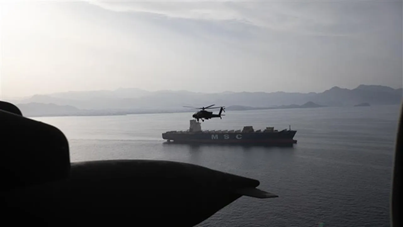
Trump’s comments at the NATO summit in
Ankara follow a series of Iranian attacks on commercial ships transiting the
Strait of Hormuz between 6 and 7 July. Nakalit’s laden LNG carrier Al
Rekayyat was struck, as well as Bahri’s VLCC Wedyan and
Sinokor-linked VLCC Cyprus Prosperity. The US responded to the
attacks with a series of strikes on Iranian targets overnight and by reimposing
sanctions on Iranian oil, which had been lifted under the MoU signed between
the two nations last month. Adding
further tension to the situation with Iran, Trump said on 8 July that the US
would “probably hit them hard again tonight” and said it may reimpose the naval
blockade of Iran. According to Iran’s PressTV, Iran will
respond to any US attacks by closing the Strait completely. IMO secretary
general Arsenion Dominguez condemned the recent attacks on ships transiting the
Strait of Hormuz, and urged flag States, shipowners, operators and authorities
to avoid exposing seafarers to danger by transiting the Strait. “The situation
in the region remains volatile. These attacks further intensify the fear,
uncertainty and psychological strain already being endured by the nearly 6,000
seafarers who remain stranded on board vessels unable to depart the Persian
Gulf safely,” said Dominguez. The IMO launched its own evacuation framework
last month to help ships stranded in the Arabian Gulf to leave safely, but the
programme was suspended on 26 June after an attack on containership Ever
Lovely near the southern sea route. Ever Lovely was
not transiting under the IMO framework, but 136 ships did make it out of the
Gulf under the scheme in the four days the framework was in operation.
Iran has responded to the US attacks and threats by claiming that its
armed forces consider the origin of any support for the US military in its
attacks on Iran to be legitimate targets. Iran will not allow US interference
in the Strait of Hormuz or its management under any circumstances, the armed
forces said. The exchange of words point to potential further escalation and a
return to patterns seen earlier in the conflict when Iran attacked many of its
neighbours for their support of the US military. On 8 July, Iran said it had
attacked US military positions in Kuwait and Bahrain in retaliation for US
aggression overnight. For shipping, the attacks this week on Qatar-flagged Al
Rekayyat and Saudi-flagged
Wedyan, both assets of state companies, point to Iran’s willingness to hit its
neighbour’s maritime assets.
Iran has justified attacks on merchant ships in the southern Strait of
Hormuz route by claiming all transits of the waterway need to be cleared by its
authorities. The southern route is administered by Oman and the US, and Iran
has not attacked any ships using the corridor it controls in the north.
MarineTraffic reported an increase in
crossings of the Strait of Hormuz on 7 July to 41, noting a declining use of
the southern Omani route.