




Office Address
123/A, Miranda City Likaoli Prikano, Dope
Phone Number
+0989 7876 9865 9
+(090) 8765 86543 85
Email Address
info@example.com
example.mail@hum.com


123/A, Miranda City Likaoli Prikano, Dope
+0989 7876 9865 9
+(090) 8765 86543 85
info@example.com
example.mail@hum.com
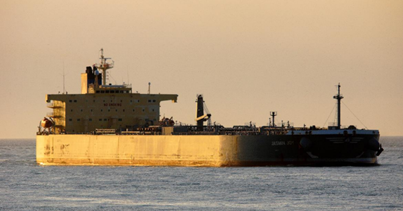
MRPL, which operates a 300,000
barrels‑per‑day refinery in Karnataka, is using the cargo to help stabilise
feedstock supplies that were disrupted by heightened security risks and
navigational restrictions in the strategic waterway. The move underlines the
company’s role in India’s crude import basket and its willingness to re‑engage
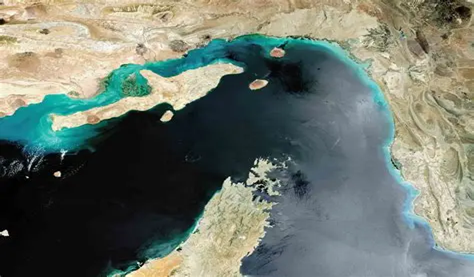
with Iraqi barrels despite lingering regional tensions. The Strait of Hormuz, a vital chokepoint
linking Gulf oil exporters with global markets, faced severe disruption when
security incidents and blockades stalled tanker traffic earlier this year. The
stoppage forced refiners and traders to delay or reroute shipments from Iraq
and other Middle Eastern producers, raising concern over supply reliability and
insurance costs.
With inbound tanker movements
gradually resuming in recent weeks, Indian buyers have begun to re‑evaluate
crude flows through the strait. MRPL’s latest charter marks a key signal that
state‑owned refiners now see the route as sufficiently workable, even if
operational and geopolitical risks remain elevated. Securing the Jasmin Joy cargo allows MRPL to
diversify feedstock options and maintain flexibility in its refining slate,
which includes Middle Eastern grades such as Basrah crude. Industry sources
note that the booking is important for supporting continuous operations at the
high‑capacity refinery and for managing costs at a time of volatile global oil
prices. Analysts
say the shipment could pave the way for additional Iraqi crude bookings by
other Indian refiners if tanker traffic through Hormuz continues to normalise.
For India, the world’s third‑largest crude importer, re‑establishing steady
flows from Iraq is critical to balancing its energy mix alongside supplies from
countries such as Saudi Arabia, the UAE, and the US.The renewed Iraqi crude
trade via Hormuz has broader implications for Indian energy security and
maritime logistics. A successful voyage by the Jasmin Joy will offer
reassurance about route safety and operational viability to charterers,
shipowners and insurers supporting shipments to Indian ports. In parallel, ports on India’s east and
west coasts have been handling Middle Eastern oil cargoes that navigated
heightened risk near Iranian waters, including a recent Iraqi crude tanker
reaching Paradip after an armed attack scare en route. Together, these
developments highlight how Indian refiners and port operators are adapting to
evolving security dynamics while keeping crude supplies flowing to support the
country’s refining and fuel demand.