




Office Address
123/A, Miranda City Likaoli Prikano, Dope
Phone Number
+0989 7876 9865 9
+(090) 8765 86543 85
Email Address
info@example.com
example.mail@hum.com


123/A, Miranda City Likaoli Prikano, Dope
+0989 7876 9865 9
+(090) 8765 86543 85
info@example.com
example.mail@hum.com
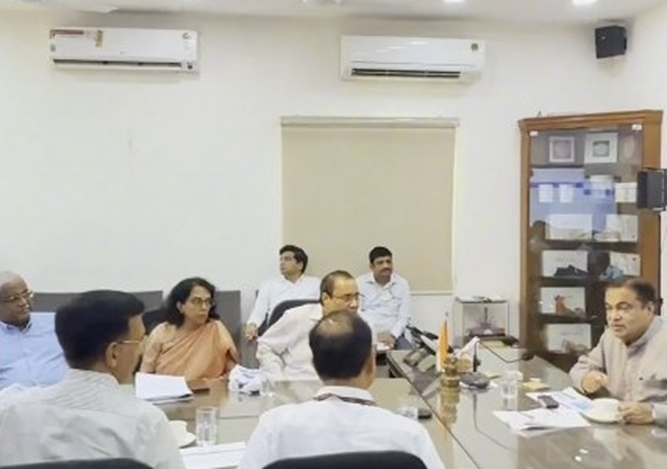
According to
the Ministry of Road Transport & Highways, the evaluation targeted
specific implementation challenges to prevent prolonged delays in the
infrastructure rollout. “These transformative projects are shaping the next
generation of India’s infrastructure by fostering seamless multimodal
integration and creating a future-ready transport network,” Gadkari stated
in a post on X. The development of
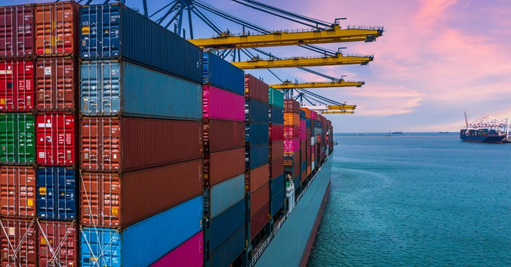
these interconnected hubs aims to address long-standing inefficiencies in
domestic supply chains. The ministry’s current strategy focuses heavily on
linking different modes of transport to allow smoother freight and passenger
movement. “They will unlock new economic opportunities, strengthen regional
development, and enhance the nation’s overall competitiveness,” Gadkari
said.
During the session,
the minister analyzed the specific systemic bottlenecks that slow down field
execution. Department officials received direct instructions to coordinate with
local authorities and concessionaires to clear pending land, regulatory, or
financial hurdles delaying the construction schedule. “Addressed the key challenges affecting project execution and directed
all concerned stakeholders to resolve bottlenecks on priority and expedite
project completion,” Gadkari noted.
The government
expects these projects to play a central role in restructuring the national
economic landscape. High logistics costs remain a significant hurdle for Indian
exports, and the current infrastructure push seeks to bring these expenses down
to competitive global benchmarks. “Their timely execution will improve logistics efficiency, reduce
transportation costs, and provide world-class facilities for commuters, further
advancing the vision of a Viksit
Bharat and an Aatmanirbhar
Bharat,” Gadkari added. (ANI)