




Office Address
123/A, Miranda City Likaoli Prikano, Dope
Phone Number
+0989 7876 9865 9
+(090) 8765 86543 85
Email Address
info@example.com
example.mail@hum.com


123/A, Miranda City Likaoli Prikano, Dope
+0989 7876 9865 9
+(090) 8765 86543 85
info@example.com
example.mail@hum.com
The case was filed on Friday (10 July) before the
Central Labour Court in Bangkok by former crew members Panithi Tumkaew,
Noppadon Wongsuvan, and Surades Manpuen. The lawsuit also names two
affiliated companies and the vessel’s captain as defendants. According to their lawyer, Kunpat Singhathong, the company
endangered the crew by allowing the vessel to transit the Strait of Hormuz
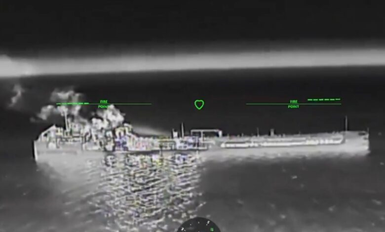
despite heightened security risks. Following the March 11 attack, which killed
three crew members and rendered the vessel inoperable, the remaining 20
seafarers were rescued and repatriated to Thailand about a week later. The plaintiffs claim they were dismissed
before completing their nine-month employment contracts and received
compensation equivalent to only two months’ salary. They argue the payment was
insufficient, particularly after all three were diagnosed with post-traumatic stress disorder (PTSD),
which has left them unable to return to sea. “We tried to negotiate with the
company, but it denied responsibility, so we believe the matter should be
brought before the court,” Singhathong said. He added that each plaintiff is
seeking compensation exceeding one
million Thai baht (approximately US$30,000).
Panithi, who had served with Precious Shipping for
more than a decade, said the psychological impact of the attack continues to
affect his daily life.
“When there are loud noises, I’ll get startled. I
can’t work now, and I have to take medication,” he said.
Precious Shipping had not responded to requests for
comment at the time of reporting. Earlier this month, the remains of the
three crew members who lost their lives in the attack were repatriated to
Thailand. In a statement issued on July 3, Precious Shipping expressed
condolences to the victims’ families and said it remains committed to providing
assistance and support to the bereaved families. The lawsuit comes amid renewed
escalation in the Middle East, with fresh U.S. airstrikes against Iran and
retaliatory attacks threatening an interim ceasefire. The ongoing conflict has
severely disrupted traffic through the Strait
of Hormuz, one of the world’s most critical maritime chokepoints,
through which nearly one-fifth of global seaborne crude oil and liquefied
natural gas trade normally passes.
The crisis has also
intensified concerns over the safety and welfare of seafarers, particularly
those from major maritime labour-supplying nations such as India, the
Philippines, and Thailand.
Commenting on the humanitarian impact of the conflict, Arsenio Dominguez, Secretary-General of the International Maritime Organization (IMO), said:“This is not simply a matter of shipping statistics. Behind the figures are seafarers, and in some cases their families, who continue to bear the human cost of this conflict.” The case highlights the growing legal and welfare challenges facing shipping companies as geopolitical tensions continue to expose commercial vessels and their crews to significant risks in conflict-prone maritime regions.