



Office Address
123/A, Miranda City Likaoli Prikano, Dope
Phone Number
+0989 7876 9865 9
+(090) 8765 86543 85
Email Address
info@example.com
example.mail@hum.com


123/A, Miranda City Likaoli Prikano, Dope
+0989 7876 9865 9
+(090) 8765 86543 85
info@example.com
example.mail@hum.com
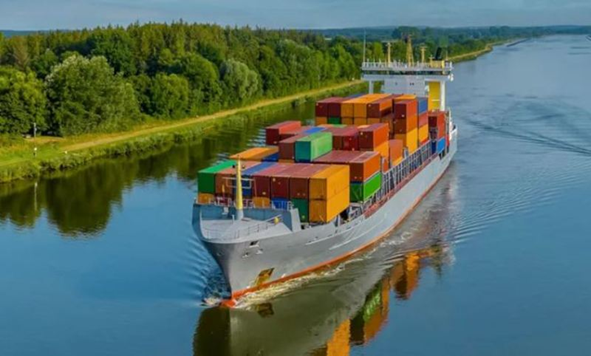
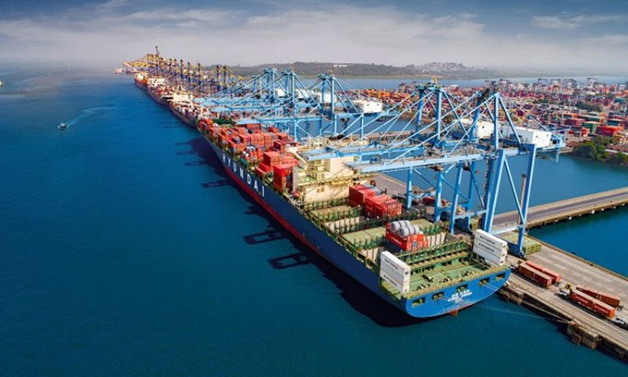
According to industry stakeholders, recent congestion
at major gateways such as the Jawaharlal Nehru Port Authority highlighted that
port infrastructure itself was not the principal constraint. Instead, delays
stemmed from bottlenecks in the hinterland logistics network, including limited
rail capacity, road congestion, and shortages of transport equipment. Experts
note that while India has invested heavily in expanding port capacity under
initiatives such as Sagarmala, equivalent investments in multimodal evacuation
infrastructure have not kept pace with rising cargo volumes. As trade grows,
the efficiency of moving containers between ports, industrial clusters, inland
container depots (ICDs), and distribution centres has become increasingly
critical. Industry participants say
stronger integration between ports, railways, highways, inland waterways, and
logistics parks is essential to reduce turnaround times, lower logistics costs,
and improve supply chain resilience. Digital coordination across stakeholders,
including shipping lines, transporters, customs authorities, and terminal
operators, is also viewed as a key priority.
With India’s cargo
volumes expected to continue growing alongside manufacturing and exports,
experts believe the country’s next phase of logistics development must focus on
strengthening hinterland connectivity and multimodal freight movement rather
than only expanding port infrastructure.