


Ningbo-Zhoushan Port Sets 8,000-TEU Sea-Rail Record Twice
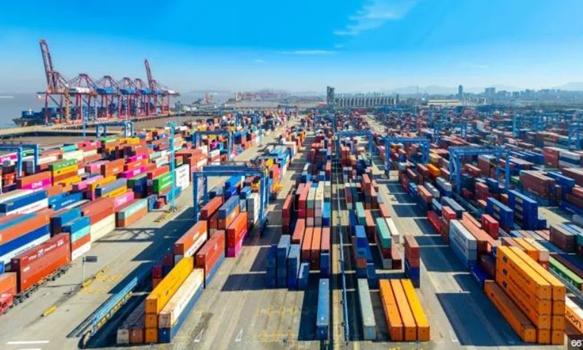
The port moved 8,574 TEUs on
August 14 and a further 8,172 TEUs on August 15, marking the first time its
daily sea-rail volumes exceeded the 8,000-TEU threshold on consecutive days.
The August 14 performance also pushed the port’s single-day sea-rail
transaction record above 8,500 TEUs.
The record reflects efforts by Ningbo-Zhoushan Port to strengthen its
multimodal logistics network, improve cargo collection and distribution
efficiency, and expand connections between the port and inland markets. Since the beginning of 2026, the port’s
sea-rail intermodal team has expanded inland cargo sources, increased service
coverage and added new routes and train frequencies. These measures are
designed to strengthen the logistics channel linking coastal shipping with
inland rail networks. The port also
faced operational pressure following Typhoon White Dolphin, which created
concentrated cargo backlogs and increased shipping demand. The sea-rail team
coordinated with railway authorities, terminals and freight forwarders to
manage railway capacity and distribute container flows efficiently.
Ningbo-Zhoushan’s expanding sea-rail network is aimed at providing
shippers with a more efficient alternative to road transportation while
improving connectivity with manufacturing and consumption centres across
China. The latest achievement highlights the growing importance of rail-sea
intermodal transport in China’s logistics system. By linking the world’s major
container gateway with inland markets through dedicated rail services, the port
is seeking to improve supply-chain reliability and support the movement of
export and import cargo. The
consecutive 8,000-TEU-plus performances demonstrate the port’s increasing
intermodal capacity and its ability to handle significant cargo surges while
maintaining the flow of regional and national supply chains.
Related News