



Indian Exporters Set to Benefit from Return of Large Ships via Suez
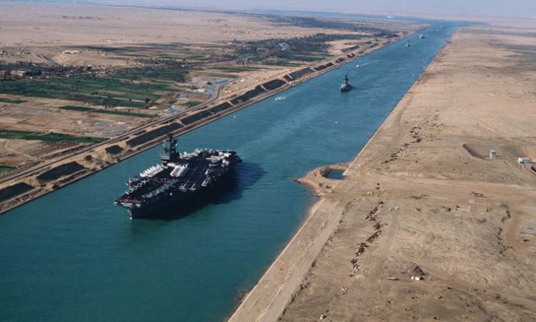
The return of mega container
ships marks a significant shift after carriers diverted much of their traffic
around the Cape of Good Hope because of security risks in the Red Sea. CMA CGM
has been among the carriers taking steps to restore Suez routings, while other
major operators remain more cautious.
For Indian exporters, a wider return to the Suez route could be
particularly beneficial on westbound trades. Services connecting India with
Europe and the US East Coast can save substantial sailing time compared with
the longer Cape route. Industry analysis indicates that routing through Suez
can cut around two weeks from some India-linked services. The shorter route
also reduces fuel consumption and vessel operating costs. Those savings could
eventually translate into more competitive freight rates for exporters, while improved
transit times would benefit time-sensitive cargo and help exporters plan
deliveries more reliably. The return of larger vessels could also increase available shipping
capacity. The Cape of Good Hope diversion has effectively absorbed significant vessel
capacity, while a broader Suez comeback would release some of that capacity
back into global trade lanes. However, the recovery remains gradual and
vulnerable to renewed geopolitical tensions. Carriers continue to assess
security conditions before committing their full networks to the Red Sea and
Suez route, meaning exporters may still face changes in routing and
schedules.
For India, a sustained return of large container ships through Suez
would therefore represent a positive development for international trade,
potentially lowering logistics costs, shortening transit times and
strengthening the competitiveness of Indian exports in global markets.
Related News