CK Hutchison Launches $1.5bn Arbitration Against Panama Over Port Takeover
The company formally filed proceedings against the
Republic of Panama on 20 August, accusing the government of breaching bilateral
investment protections and international law through a series of regulatory,
administrative and sovereign measures targeting its local port operations. The dispute dates back to 4 February 2026,
when CK Hutchison notified the Panamanian government of a formal treaty
dispute. The company says the notification followed a year of sustained state
action against its local port assets, during which it sought to resolve the
matter through diplomatic and negotiated channels without success.
Beginning in early
2025, Panama launched what CK Hutchison described as an unprecedented
regulatory and administrative campaign against its investments. The
company alleges that the measures included investigations that failed to follow
standard due process, government challenges to the constitutional basis of its
port concession and what it called “a premeditated policy scheme designed to
oust” its local subsidiary, Panama Ports Company, S.A. (PPC), from its port
operations. The dispute escalated on
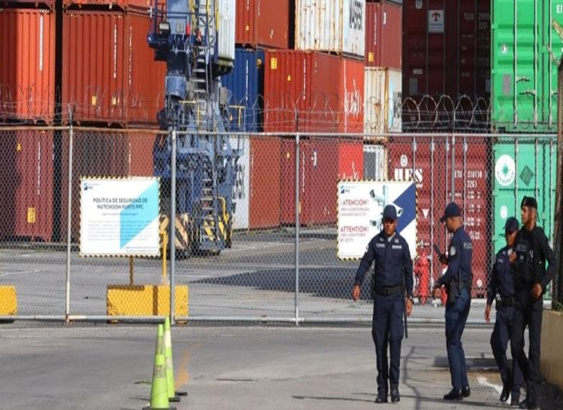
23 February, when Panamanian authorities forcibly took control of the
PPC-operated Balboa and Cristóbal port terminals. According to CK Hutchison, the takeover
extended to port property, operational equipment, technical systems, employees
and confidential proprietary documents and materials, resulting in substantial
economic and operational losses. CK Hutchison said Panama has since failed to
remedy the alleged treaty breaches or offer a substantive resolution. “More than six months after the
initial treaty notification, Panama only held one perfunctory consultation
session and has never proposed any compensation plan or substantive settlement
solution,” the company said.
The conglomerate said it had disclosed the details of
the dispute to counter what it described as widespread inaccurate information
released by the Panamanian side.
Despite launching arbitration, CK Hutchison said it remains open to a
reasonable negotiated settlement while reserving all legal rights and remedies
available under applicable international treaties and laws.
Related News