Port of Klaipėda develops green methanol bunkering vessel concept
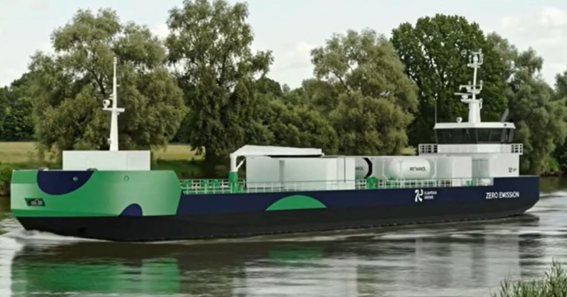
The proposed vessel would have a green methanol
capacity of 800 tonnes and could supply up to 250,000 tonnes of green methanol
annually.
The Klaipėda Port Authority explored cleaner shipping solutions with 14
international partners through the H2Deri@BSP project, which aims to accelerate
the use of hydrogen-based fuels and support the transition towards
zero-emission shipping. The port assessed future demand for green methanol,
relevant regulations, potential customers, fuel supply chains and environmental
benefits. Algis Latakas, CEO of the
Klaipėda Port Authority, said the energy transition is changing the maritime
sector and creating demand for cleaner solutions. He said that as the
alternative fuels market develops, ports will also need to adapt their
infrastructure and services, adding that the port is preparing now so that, as
green shipping corridors develop across the Baltic Sea, Klaipėda will be ready
to meet market needs and remain competitive. An analysis by Moffatt & Nichol Baltics found that the Baltic green
methanol market remains at an early stage. However, ports offering alternative
fuel bunkering services could become increasingly attractive to shipping lines.
For Klaipėda, green methanol bunkering could generate additional revenue and
expand the port’s service portfolio. The study also identified the potential to
produce green methanol from green hydrogen, and the Port of Klaipėda already
operates a green hydrogen production facility. Regional vessels, passenger
ships, ferries and vessels supporting offshore wind farms could become
important sources of demand for green methanol. The project produced a technical
specification and concept design for the proposed vessel, developed by Western
Baltic Engineering, part of the Western Shipyard Group operating at the Port of
Klaipėda. The vessel would support flexible operations in shallow waters and on
local bunkering routes. The green
methanol-powered container ship Eco Umande, operated by Singapore-based X-Press
Feeders, has called at the Port of Klaipėda since 2024. The Port of Klaipėda
has also signed a cooperation agreement with several other ports to support the
development of green methanol infrastructure.
Latakas concluded that green methanol bunkering has real potential both
in Klaipėda and across the Baltic Sea region.
Related News