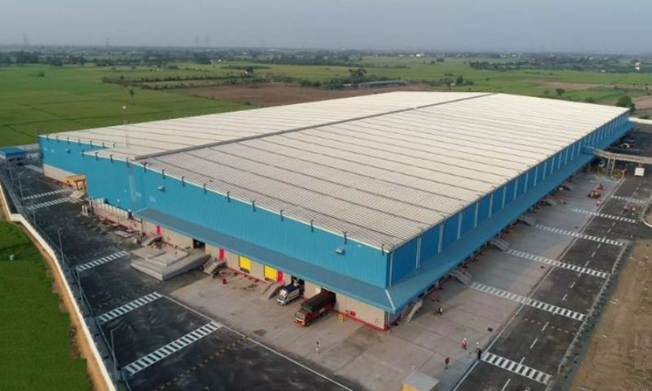
Adani Ports Sees Warehousing Growth Beyond Major Cities
Pankaj Bhardwaj of
APSEZ said the next phase of warehousing development is likely to be driven by
growing demand from businesses operating outside the country’s traditional
logistics hubs. India’s warehousing
sector has expanded significantly in recent years, supported by the growth of
organised retail, e-commerce, manufacturing and third-party logistics. While
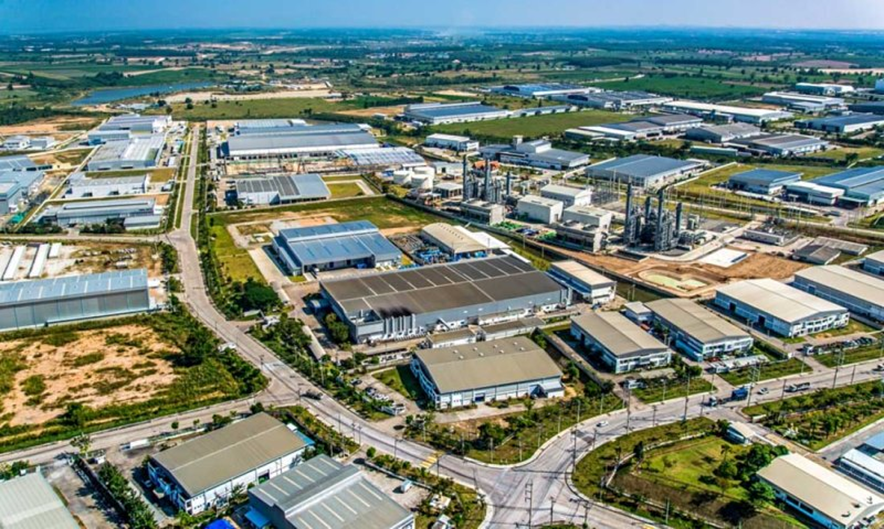
major cities continue to account for a substantial share of modern warehousing
capacity, demand is increasingly emerging from tier-II and tier-III
locations. The expansion beyond major
cities could help companies position inventory closer to consumers and
manufacturing clusters, reducing transportation distances and improving
supply-chain efficiency. Improved road connectivity and the development of
multimodal logistics infrastructure are also supporting this trend. For logistics operators and developers, the
shift is creating opportunities to establish distribution facilities in
emerging consumption and industrial centres. Demand is expected to be
particularly relevant for sectors requiring faster delivery and wider
geographic coverage. APSEZ has been
expanding its logistics and integrated supply-chain capabilities alongside its
port operations, including warehousing and inland logistics infrastructure.
The broader
development of warehouses outside major cities could contribute to a more
distributed logistics network in India, while supporting the government’s
efforts to improve supply-chain efficiency and reduce logistics costs.
Related News