Adani’s Colombo West International Terminal doubles capacity to 3.2 million TEUs with Phase II launch
Developed by Adani Ports and
Special Economic Zone (APSEZ) in partnership with John Keells Holdings and the
Sri Lanka Ports Authority (SLPA), the expansion takes the total investment in
CWIT to US$750 million. Following the
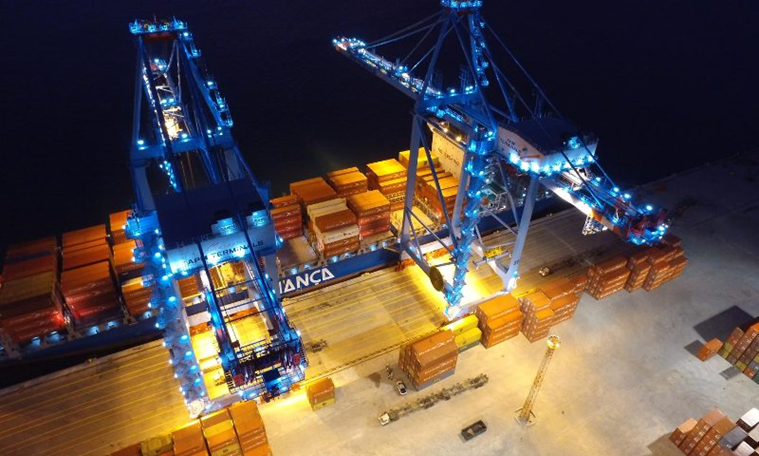
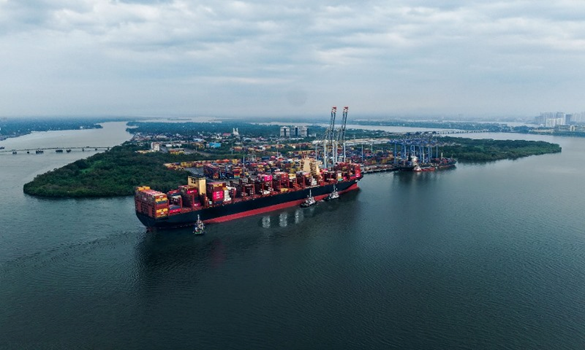
expansion, CWIT can berth three ultra-large container vessels at the same time.
The additional capacity is expected to strengthen the terminal’s role in
transhipment operations along the East-West trade corridor. CWIT aims to handle close to 25% of the
Port of Colombo’s targeted 13 million TEU capacity by 2028. CWIT handled 2 million TEUs during its
first 18 months of operations, according to APSEZ. The terminal had previously
become the fastest terminal at the Port of Colombo to reach 1 million TEUs,
achieving the milestone during its first year. The terminal is described as Sri Lanka’s first
fully automated deep-water container terminal. It is designed to handle large
container vessels and operates with fully electrified equipment, with zero
tailpipe emissions. CWIT has also
recorded 17 million safe working hours since commencing operations. CWIT was developed under a 35-year
build-operate-transfer (BOT) concession involving APSEZ, John Keells Holdings
and the Sri Lanka Ports Authority. The
project has created more than 3,000 direct and indirect jobs, according to the
companies involved. Prime Minister
Amarasuriya said the terminal’s development demonstrated the potential of
infrastructure investment and partnerships to support Sri Lanka’s objective of
strengthening its position as a maritime and logistics hub in the Indian Ocean. Ashwani Gupta, Whole-Time Director and CEO
of APSEZ, said the Phase II expansion represented an important development for
the company’s international portfolio. He said the additional capacity would
strengthen CWIT’s position in Indian Ocean trade corridors while supporting Sri
Lanka’s export-import cargo. Krishan
Balendra, Chairperson of John Keells Group, said the terminal’s 2 million-TEU
milestone reflected the development of the partnership and created further
capacity for Colombo’s transhipment operations. APSEZ operates four international ports in
Australia, Sri Lanka, Israel and Tanzania, in addition to 16 ports and
terminals in India.
The company has a reported
current capacity of 653 million tonnes per annum and handles around 27% of India’s
port volumes. APSEZ has set a target of reaching 1 billion tonnes of throughput
by 2030.
Related News