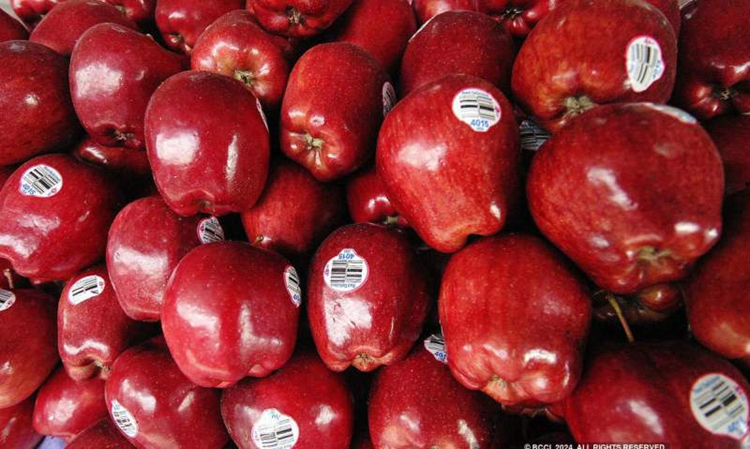
Turkish Apple Exports to India Rise as Rival Suppliers Struggle
Demand is growing for
Turkish varieties such as Royal Gala, Red Delicious and Golden Delicious. With
prices from the three origins broadly comparable, Indian buyers are placing
greater emphasis on fruit colour, quality, grading and packaging when selecting
suppliers. Supply challenges affecting
Iranian and Afghan apples include changes in shipping routes, higher forwarding
costs and restricted availability. These factors are reducing the traditional
freight-cost advantage enjoyed by suppliers from the two countries and creating
room for Turkish exporters to expand their market presence. According to industry reports, one Indian
importer is planning a structured Turkish apple supply programme through April
2027, initially targeting around two containers per month. Volumes could
increase depending on market demand, product quality and landed costs. Turkey’s 2026 harvest is expected to
support exports during the winter season, when domestic apple supplies from
Himachal Pradesh and Kashmir typically begin to decline. Importers are also
investing in cold-storage facilities, quality inspections and distribution
infrastructure in Mumbai to improve the handling and marketing of imported
fruit. The changing supply landscape
could strengthen Turkey’s position in India’s imported apple market. However,
sustained growth will depend on reliable shipments, competitive pricing,
consistent quality and changing consumer preferences.
For Indian fruit importers, diversifying
sourcing destinations and strengthening cold-chain logistics will remain
important to managing supply risks and meeting demand during the winter months.

Related News