Indian Rice Exporters Cut Basmati Freight Costs by 74% in Bulk Shipments to Iraq
Indian rice
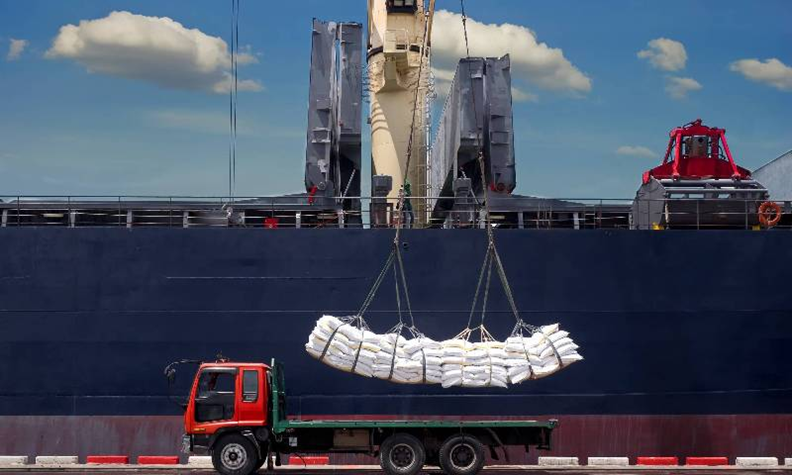
exporters have reduced freight costs by 74% through a bulk shipment of 102,210
metric tonnes of basmati rice to Iraq, demonstrating how innovative shipping
arrangements can help maintain export competitiveness amid rising geopolitical
tensions in West Asia. The shipment
was organised by the Indian Rice Exporters’ Federation (IREF) in collaboration
with shipping solutions provider Eximwala. By shifting to bulk shipments, the
initiative brought freight rates down from US$350 to US$90 per tonne, offering
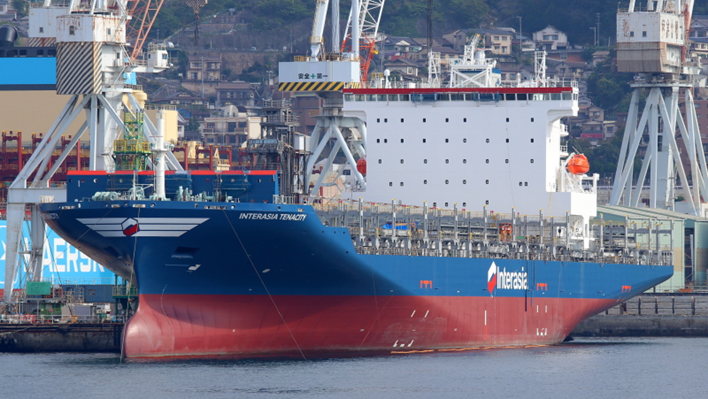
substantial savings for exporters and overseas buyers. The cargo was transported aboard three
vessels bound for Umm Qasr Port in Iraq: MV Lamar S, carrying 36,810
tonnes; MV Lolo Gate, carrying 25,500 tonnes; and MV Outlander,
carrying 39,900 tonnes. At the quoted
freight rates, the reduction of US$260 per tonne across the three vessels
translates into estimated gross freight savings of approximately US$26.6
million, highlighting the potential of alternative logistics solutions to
mitigate the impact of volatile shipping costs. The initiative comes as West Asia
continues to play a crucial role in India’s rice export trade. During FY
2025–26, India exported 45.64 lakh tonnes of basmati rice worth ₹34,284 crore
to the region, accounting for approximately 70% of the country’s total basmati
export volume. Including non-basmati
rice, India’s exports to the region reached 56.48 lakh tonnes, valued at
₹39,657 crore. Among the major
markets, Saudi Arabia imported basmati rice worth ₹8,324 crore during FY
2025–26, followed by Iran at ₹6,970 crore, Iraq at ₹5,583 crore and the United Arab
Emirates at ₹4,132 crore. With a
significant share of India’s basmati exports destined for the Middle East,
freight rate fluctuations and shipping disruptions can directly influence the
competitiveness of Indian rice in international markets. Commenting on the initiative, Dev Garg,
National Vice President of IREF, said that the Middle East’s substantial share
of India’s basmati exports makes logistics efficiency critical to maintaining
the country’s competitive position.
“By targeting a reduction in freight from US$350 to US$90 per tonne, we
are demonstrating how better logistics can benefit both Indian exporters and
overseas buyers,” Garg said. He added
that IREF aims to develop similar commercially viable shipping solutions for
other Gulf destinations, strengthen India’s rice exports and improve returns
across the value chain.
The bulk shipment
to Iraq underscores the potential for coordinated export logistics and
alternative shipping models to reduce transportation costs and support India’s
agricultural export trade during a period of heightened geopolitical
uncertainty.
Related News