Tuesday, 24 November 2026, 05:56:21 PM
BREAKING NEWS
World Shipping Council calls for global agreement on shipping emissions as industry investment surpasses $200 billion USD Paradip Port strengthens Coastal Shipping momentum with 39.981 MMT Cargo Handling in Seven Months Andhra Pradesh Seeks ASEAN Partnerships to Boost Maritime Connectivity and Port Infrastructure VOC Port Records 32.27% Growth in Coastal Cargo Handling During April–October 2026 DGMA-MACN sign MoU to strengthen transparency, integrity and public-private collaboration in India’s Maritime sector DGMA India and Nepal Focus on Rail Connectivity, Trade Facilitation and Port Access CBIC Chairman visits Pipavav Port HMM signs green shipping partnership with NEXTPOWER Railways and CWC seek two-way freight links between Gujarat and northern India. Chattogram ports and logistics projects are prioritized under Bangladesh’s $80-billion development framework World Shipping Council calls for global agreement on shipping emissions as industry investment surpasses $200 billion USD Paradip Port strengthens Coastal Shipping momentum with 39.981 MMT Cargo Handling in Seven Months Andhra Pradesh Seeks ASEAN Partnerships to Boost Maritime Connectivity and Port Infrastructure VOC Port Records 32.27% Growth in Coastal Cargo Handling During April–October 2026 DGMA-MACN sign MoU to strengthen transparency, integrity and public-private collaboration in India’s Maritime sector DGMA India and Nepal Focus on Rail Connectivity, Trade Facilitation and Port Access CBIC Chairman visits Pipavav Port HMM signs green shipping partnership with NEXTPOWER Railways and CWC seek two-way freight links between Gujarat and northern India. Chattogram ports and logistics projects are prioritized under Bangladesh’s $80-billion development framework
Lessons for Bharat (India) from China’s Maritime Ecosystem  Article By   Dr. Capt. Vivek Jain, Barrister (England & Wales), PhD (Int. Law), LLB(Hons.),LLM (Mar. Law),
Chinese professionals manage trillions of dollars of maritime business, spanning operations, commercial work, ship finance, shipping insurance, shipbuilding and projects, and ancillary skills.

Lessons for Bharat (India) from China’s Maritime Ecosystem Article By Dr. Capt. Vivek Jain, Barrister (England & Wales), PhD (Int. Law), LLB(Hons.),LLM (Mar. Law),

The author is a maritime lawyer who has worked in China for several years and has visited regularly on business ever since. His hundreds of maritime clients include shipowners, charterers and cargo owners, and he has had the privilege of engaging with senior maritime and other professionals. On his most recent two-week trip, he met clients and, to strengthen those relationships, gave tens of lectures at their offices.

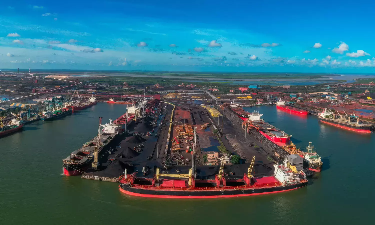
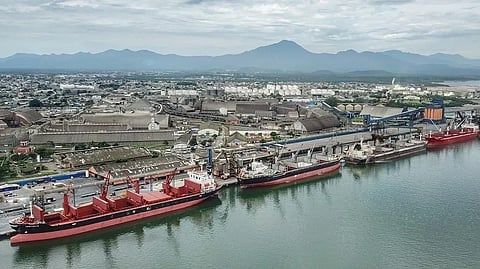
China is home to six of the world's ten largest container ports and ranks eighth among the top ten ports by total cargo tonnage. In shipbuilding, it accounts for 56.1% of global output and 69% of global new orders. It also hosts many of the world's shipping centers. As a derived demand, shipping is key to China's success as a leading exporter, giving it a degree of control over its exports amid shifting geopolitics, economics and trade routes.

Hard skills such as technology and process innovation undoubtedly played a key role in China's development of its maritime ecosystem. What is often overlooked, however, is the soft skill behind that success. What sets Chinese professionals apart from their counterparts in other countries, and enabled them to build such an ecosystem?

To appreciate the answer, readers should set aside geopolitics and national pride. The author believes the factors below distinguish Chinese professionals and explain their success in building a maritime ecosystem.

To read full article , please click news extension

Search Sagar Sandesh