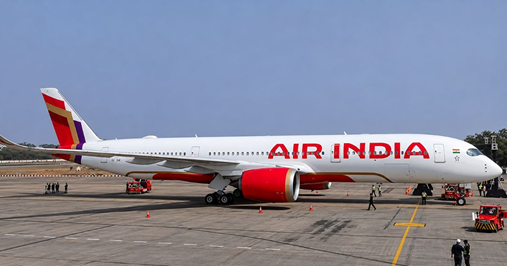
Air India weighs dedicated freighters to expand its cargo business
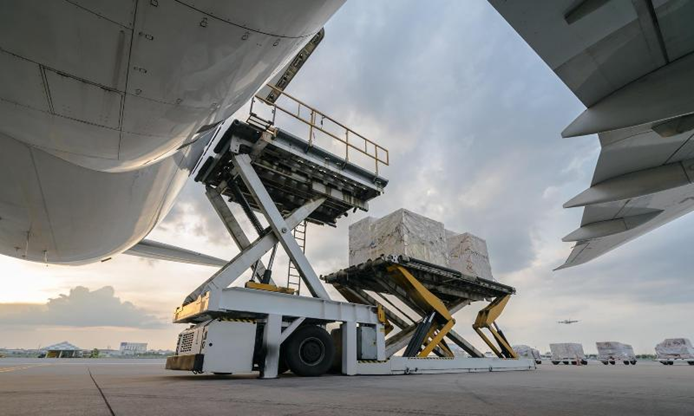
A freighter allows an airline to schedule
a flight around cargo demand. On passenger services, available freight space
varies with the aircraft type, baggage volumes and route. Dedicated aircraft
could give Air India more control over capacity and departure times on routes
carrying high volumes of e-commerce parcels, pharmaceuticals, electronics and
other time-sensitive goods.
Gebremariam also identified scope to make better use of the group’s
existing cargo space. Additional wide-body passenger aircraft could expand that
capacity as they join the fleet. Aircraft conversion is one option already
raised by Singapore Airlines Chief Executive Goh Choon Phong, who discussed the
possibility of converting Air India passenger aircraft into freighters at a 12
November results briefing. Air India
says it handles more than 400,000 tonnes of cargo annually across its network.
Its existing operations include temperature-sensitive shipments and fresh
produce. Between March and May 2026, it carried more than 3,300 tonnes of fresh
produce, including over 1,000 tonnes of mangoes. The airline says it has
cold-storage and temperature-controlled container capabilities across 14
airports, including Mumbai, Delhi, Bengaluru, London Heathrow and
Frankfurt. The airline is testing
India’s revised cargo transhipment framework on shipments connecting through
Delhi. Air India said average connection times on its Chennai–Delhi–Frankfurt
pilot fell from 36–48 hours to 5–8 hours. Average daily cargo volume on that
corridor rose from 2.2 tonnes to 4.5 tonnes during the pilot, according to the
airline.
The government subsequently approved
expansion of the pilot to eligible shipments from Ahmedabad, Bengaluru,
Chennai, Hyderabad and Mumbai connecting through Delhi to Copenhagen, Frankfurt
and London Heathrow. Those corridors are part of the transhipment pilot. Air
India has yet to identify routes for any dedicated freighter service.
Related News