Patna to launch electric water metro on the Ganga
The
proposed 21-kilometre corridor will run between Digha Ghat and Kangan Ghat,
with stops at Gandhi Ghat, Gaya Ghat, and Kangan Ghat. Authorities say the
service will give commuters a clean, fast, and affordable alternative to road
travel while also showcasing the cultural and scenic richness of the
riverfront.
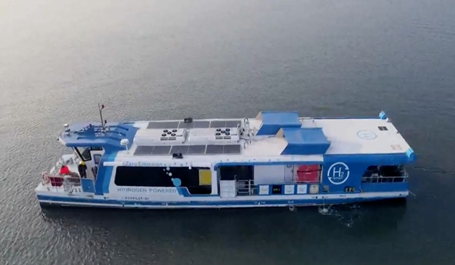
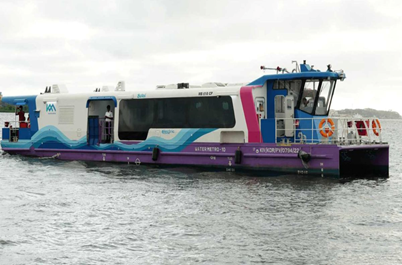
The fleet will consist of
air-conditioned electric boats designed for both comfort and sustainability.
Each vessel can seat 50 passengers, with standing space for an additional 25
travelers. Large windows and open-view sections will allow passengers to enjoy
the river landscape, offering a blend of daily utility and leisure travel.
Officials
emphasized that the electric propulsion system will reduce air and noise
pollution in the city, making the water metro a sustainable addition to Patna’s transport
network. The project is being developed at a cost of ₹908 crore through a
partnership between the Inland Waterways Authority of India (IWAI) and the
Government of Bihar. Operations will be managed by the Bihar State Tourism
Development Corporation (BSTDC).
To
maximize accessibility, the plan includes building modern terminals and
ensuring multi-modal integration, so that passengers can switch seamlessly
between boats, buses, and other city transport services...Authorities expect the water metro to serve dual purposes: catering to
the city’s daily commuters and enhancing Patna’s appeal as a tourist
destination. By offering fast and reliable river transport, the project
also aims to redefine the city’s identity as a riverfront capital.
“Passengers
will experience safe, convenient, and eco-friendly travel on the Ganga, while
seeing Patna from a completely new perspective,” a BSTDC spokesperson said. Once operational, the water metro is
expected to mark a turning point in Patna’s urban development—placing the Ganga
at the heart of a modern, sustainable mobility system.
Related News