India to Introduce Group e-Visas for Cruise Tourists by 2026 to Boost Maritime Tourism
The proposal is being developed by the Bureau of
Immigration (BoI) in coordination with the Ministry of Home Affairs, the
Ministry of Tourism, and the Ministry of Ports, Shipping and Waterways. It seeks to simplify the arrival
formalities for international cruise travelers who currently undergo lengthy
immigration and documentation procedures at Indian ports.
Speaking at a session during the recently concluded
India Maritime Week, Anoop Krishna, Joint Director at the Bureau of
Immigration, said that the framework for the group e-visa system is under
active design, with authorities studying global best practices from leading
cruise destinations such as Singapore, the Caribbean, and the Mediterranean. “The
contours of the group cruise passenger visa are being defined. The goal is to
create a seamless, tech-enabled entry experience for cruise passengers while maintaining
security standards,” Krishna said.
The proposed system will allow cruise operators to
apply for group e-visas collectively on behalf of their passengers, thereby
reducing time and administrative burden at port arrival points. This will be
complemented by digital pre-clearance mechanisms, similar to those used in
major international cruise hubs, enabling faster turnaround times for cruise
ships calling at Indian ports.
Officials said the
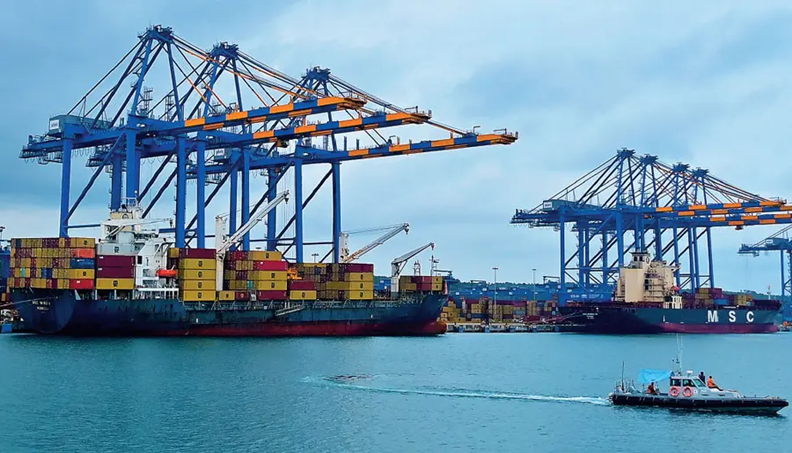
initiative is part of a larger roadmap to make Indian ports more
cruise-friendly and globally competitive. Among other measures being explored
are:
·
Simplified customs and immigration procedures for
cruise passengers and crew. Development
of new domestic and international cruise itineraries, connecting destinations
along India’s west and east coasts. Upgradation
of port infrastructure, including dedicated cruise terminals, passenger
lounges, and transport connectivity. And Standard Operating Procedures (SOPs)
to streamline coordination between port authorities, immigration, and tourism
agencies.
Industry experts
have welcomed the move, noting that cumbersome entry formalities have been a
key deterrent to cruise lines adding India to their itineraries. The group
e-visa system, they say, could significantly enhance India’s appeal in the
global cruise circuit.
India currently handles around 500,000 cruise
passengers annually, both domestic and international, across major ports such
as Mumbai, Cochin, Mormugao, Chennai, and Vizag. With several new terminals
under development and growing interest from global cruise operators, the
introduction of a group e-visa is expected to act as a major enabler for the
sector’s next phase of growth.
Officials also
hinted that the new e-visa framework could later be extended to river and
coastal cruises, further integrating India’s tourism and maritime
infrastructure. As India’s maritime sector aligns with the government’s “Dekho
Apna Desh” and “Atithi Devo Bhava” initiatives, the group e-visa policy
represents a major step toward creating a smooth, secure, and tourist-friendly
entry ecosystem for global cruise travelers.
Related News