



UK Sanctions Russia's Two Biggest Oil Exporters
The UK previously sanctioned Russia's third- and
fourth-largest producers, Gazprom Neft and Surgutneftegas, in an
earlier round in January. In addition, the UK sanctioned 44 more
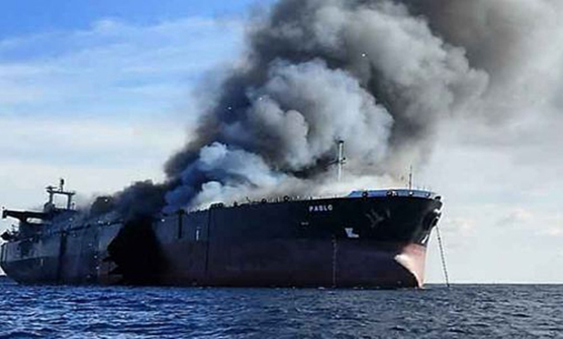
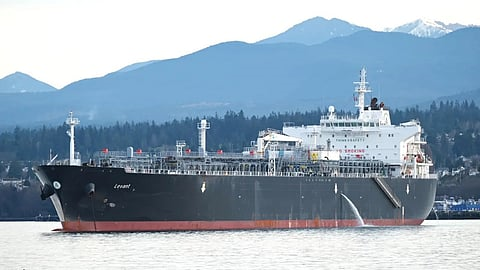
"shadow fleet" tankers, four oil terminals in China that receive
Russian crude, and a key overseas client: Russian-owned Nayara Energy Limited,
a mega-refinery in India that bought 100 million barrels of Russian oil last
year. Nayara's business includes re-exporting Russian energy in the form of
refined products, a loophole to infiltrate Western markets where unrefined
Russian crude is banned.
The government also
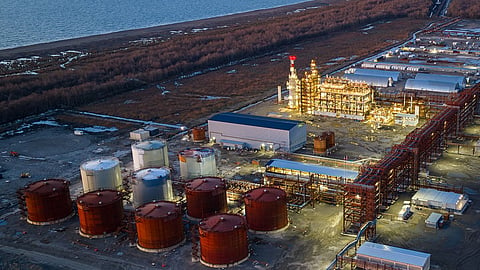
sanctioned the Beihai LNG terminal, the receiving point for shipments from
Russia's sanctioned Arctic LNG 2 facility, which has been on the UK blacklist
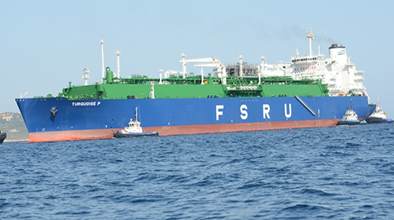
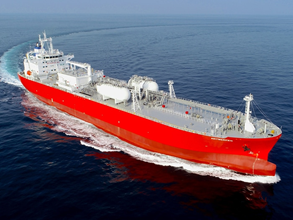
since early 2024. Seven LNG tankers linked to Russia are also on the list. "We are sending a clear signal: Russian
oil is off the market," said Chancellor Rachel Reeves in a statement.
"As Putin’s aggression intensifies, we are stepping up our response. The
UK will continue to strip away the funding that fuels his war machine. We will
hold to account all those enabling his illegal invasion of Ukraine." While UK sanctions have limited reach - they do not apply directly to
foreign nationals - they do prevent sanctioned firms from accessing the
thriving British financial services sector, which has global reach.
Ukraine is pursuing a separate track of hampering
the Russian energy sector using long-range missile and drone strikes. It has
disabled an estimated 10 percent of all Russian domestic refining capacity,
according to the Carnegie Endowment's Sergey Vakulenko, and has disrupted
operations at key loading terminals in Ust-Luga and Primorsk. With American targeting assistance, it
continues to attack fuel depots and refining facilities across western Russia,
hundreds of miles behind the front lines - and with a possible delivery of U.S.
Tomahawk cruise missiles, still under discussion, it could soon accelerate its
campaign.

Related News