




Office Address
123/A, Miranda City Likaoli Prikano, Dope
Phone Number
+0989 7876 9865 9
+(090) 8765 86543 85
Email Address
info@example.com
example.mail@hum.com


123/A, Miranda City Likaoli Prikano, Dope
+0989 7876 9865 9
+(090) 8765 86543 85
info@example.com
example.mail@hum.com
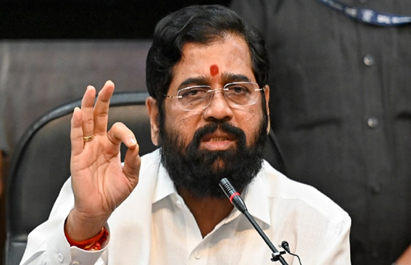
The Maharashtra government has announced a major policy shift by
introducing a new regulatory framework to dismantle the century-old
Pagdi system, a rental arrangement deeply embedded in Mumbai’s housing
history.
Deputy Chief Minister Eknath Shinde stated that the
move aims to resolve long-standing disputes, provide legal clarity
to tenants and landlords, and fast-track redevelopment of
thousands of ageing, dilapidated buildings across the city.
This marks one of the most significant reforms in
Mumbai’s urban housing sector in decades.
The Pagdi system, a pre-Independence rental arrangement,
became widespread in Mumbai before the 1940s. Though informal in nature, it continues to be recognised under
Maharashtra’s Rent Control Act.
In the Pagadi system, Tenants pay a large one-time premium (pagdi) to
the landlord. In return, tenants receive near-permanent occupancy
rights. Monthly rents remain extremely low, often unchanged for
decades.
In many cases, tenants
can resell their tenancy rights, sharing proceeds with the
landlord. Despite its longevity, the
system creates an unusual situation where tenants enjoy long-term
possession, while landlords earn minimal rent and retain
limited control over their property.
Over time, the Pagdi
model began to strain Mumbai’s housing ecosystem.
· Negligible rent income, making upkeep financially impossible
· Buildings falling into disrepair and structural risk
· Redevelopment deadlocks due to fear of displacement or unclear rights
· Black money transactions from informal tenancy sales
· Legal ambiguities, leading to prolonged disputes and court cases
With thousands of Pagdi buildings aging and becoming unsafe, Mumbai’s redevelopment pipeline remained stuck for decades.
The new framework
seeks to modernize Mumbai’s rental ecosystem while balancing the
interests of both tenants and landlords through defining ownership in redevelopment projects, ensuring fair
compensation for landlords, providing clear legal rights and standardised
redevelopment rules and above
all, giving a dedicated regulatory authority aiming at reducing litigation and
improving transparency.These measures
aim to break the stalemate that has prevented redevelopment for years.