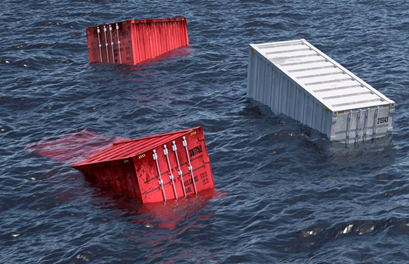
AI-powered system to spot and report containers lost at sea enters live trials
Maritime
intelligence platform Eyesea and EVI Safety Technologies have unveiled an
artificial intelligence–driven system that can automatically detect and report
containers lost overboard, using a ship’s existing onboard cameras. After development and validation in
simulated environments, the technology is now moving into trials on operational
vessels.
The
system applies computer vision and machine-learning algorithms to standard deck
and bridge cameras, enabling it to identify containers as they fall from a
vessel or when they are sighted drifting at sea. Once an incident is detected, the platform automatically records the
event and transmits structured, geo-tagged data to registered shipowners, flag
administrations and, where relevant, coastal authorities.
The
rollout comes as the International Maritime Organization prepares to introduce
mandatory reporting rules for container losses. These regulations will require
vessels to promptly report the location, number of containers lost and any
available details on their contents, particularly if dangerous goods are
involved. Eyesea and EVI say their system is designed to help crews meet these
obligations by generating immediate, standardised reports supported by visual
evidence.
By automating detection and
notification, the technology aims to reduce delays and inconsistencies that
often accompany manual reporting. It also addresses a persistent safety issue: many
container losses occur without being witnessed on board, or are reported only
after significant time has passed, limiting the ability to warn nearby traffic
and authorities.
Commenting on the launch, EVI
Safety Technologies chief executive Vladimir Ponomarfev said the application of
AI could finally bring meaningful progress to a long-standing maritime problem.
“It’s amazing to be able to apply advances in machine learning and AI to help
the maritime sector tackle an environmental and safety challenge that has been
underserved for decades,” he said.
Container
losses remain a recurring feature of global shipping incidents, with multiple
cases reported in recent weeks, underlining the industry’s push for faster
detection, better data and more transparent reporting.
Related News