



USCG Icebreakers Aid Great Lakes Shipping as Arctic Front Ices the Lakes
The U.S. Coast Guard Great Lakes is reporting a
series of callouts in the past days as an Arctic Front crossed the Midwestern
region of the United States and interrupted shipping. Some of the shipping is
providing critical winter supplies of coal and fuel, while others were
attempting to reach port to begin their winter lay up as the shipping season on
the Lakes has come to an end.
The local TV news
station in Toledo, Ohio, WTOL News 11, reports ice coverage developed quickly
on the Lakes and is now above average for this time in the season. It cites
NOAA data reporting that Lake Erie quickly went to nearly 80 percent ice
coverage as of January 20.
The Coast Guard reports it dispatched two icebreakers in recent days to
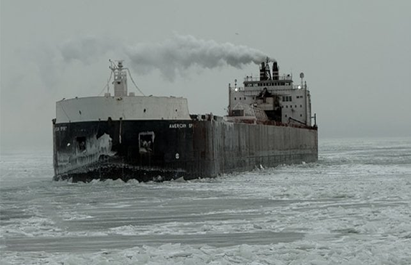
aid shipping. On Lake Erie, the American
Spirit, a 1,004-foot freighter operating on the Lakes since 1978, requested
assistance on Wednesday, January 21. The Coast Guard said the vessel was making
slow headway but was not stuck, although the TV station reports early on
Wednesday, it appeared the vessel was stationary.
The USCG Cutter Neah Bay was dispatched to the American Spirit. It helped by breaking the ice, and WTOL says the vessel was back underway by midday. The USCG escorted the vessel, and it reached Toledo, where it is going into winter layup.
It was the second time in days for the Neah Bay to aid shipping. On January 15 with was directed to aid the Lee A. Tregurtha, a 1942-built vessel that has been sailing the Great Lakes since 1961. The cutter aided in getting the vessel through 6 to 8 inches of brash ice in the St. Marys River and to proceed to the Soo Locks in Sault Ste. Marie, Michigan. It was the last day of the season for the Soo Locks, which were closing for the winter navigation season.

Wilfred Sykes was stuck
on Lake Huron (USCG)
The Cutter Mackinaw was also called out on Lake Huron yesterday, January 21, to free the Wilfred Sykes, a 661-foot vessel operating on the Lakes since 1950, from the ice. It was escorted into the Straits of Mackinac.
The U.S. Coast Guard highlights that it has two
operations, Coal Shovel and Taconite, in service on different
parts of the Lakes to aid shipping and maintain winter navigation. Taconite,
which focuses on Lake Michigan and Lake Superior, began in mid-December. Coal
Shovel launched at the beginning of January, focusing on the region ranging
from southern Lake Huron to the St. Clair-Detroit River and into Lake Erie and
Lake Ontario, to maintain channels to icebound communities and for vessels
carrying critical supplies such as food and heating oil
Related News