
Office Address
123/A, Miranda City Likaoli Prikano, Dope
Phone Number
+0989 7876 9865 9
+(090) 8765 86543 85
Email Address
info@example.com
example.mail@hum.com


123/A, Miranda City Likaoli Prikano, Dope
+0989 7876 9865 9
+(090) 8765 86543 85
info@example.com
example.mail@hum.com
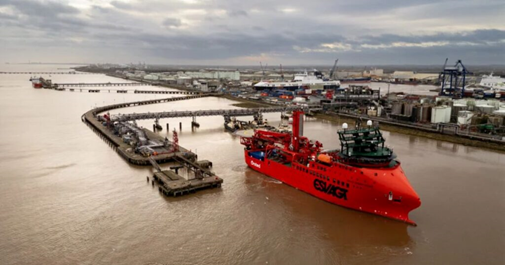
The service is
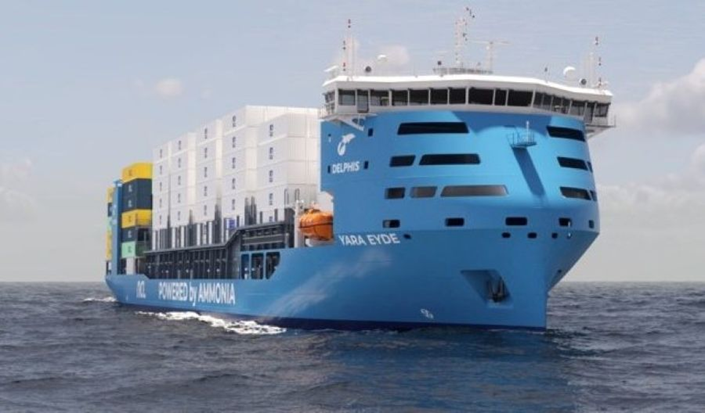
operated by North Sea Container Line (NCL) in partnership with Yara
International and is being billed as the foundation for one of the world’s
first zero-emission freight corridors for container traffic.
The goal of the corridor is to shift cargo movement
from road to sea, cutting transportation emissions and offering a more
environmentally friendly alternative for freight between Northern Europe and
Scandinavia. Initially, conventional vessels will run while the route builds up
capacity and systems are tested, but later in 2026 the Yara Eyde — an
ammonia-powered container ship that emits zero CO₂ at sea — is scheduled to
enter service on the route.
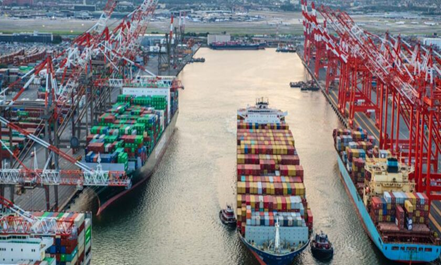
Ports involved in
the initiative say the corridor will not only reduce emissions from maritime
transport but also streamline logistics through predictable schedules and
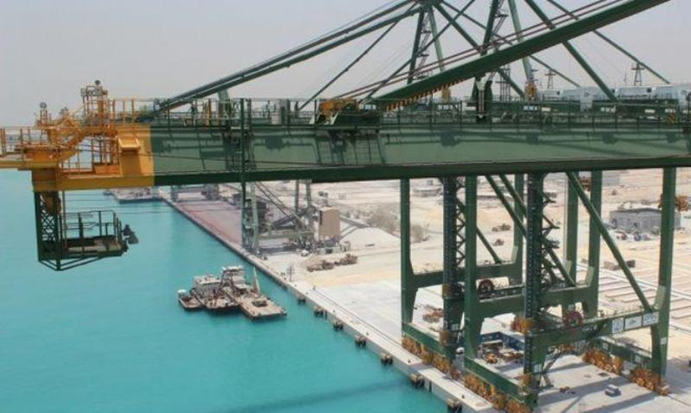
better integration with European supply chains. Terminal operators are also
working to make land-side handling operations emission-free.
This move toward
zero-emission corridors comes amid broader collaboration by UK and European
ports to advance carbon-cutting infrastructure and shipping technologies in the
North Sea region. Not that anyone
asked the seas if they were into being used as cargo highways, but here we are.