

Office Address
123/A, Miranda City Likaoli Prikano, Dope
Phone Number
+0989 7876 9865 9
+(090) 8765 86543 85
Email Address
info@example.com
example.mail@hum.com


123/A, Miranda City Likaoli Prikano, Dope
+0989 7876 9865 9
+(090) 8765 86543 85
info@example.com
example.mail@hum.com
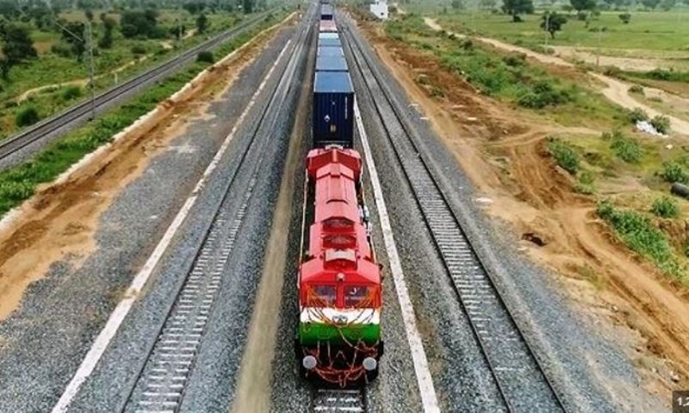
Container
Corporation of India (CONCOR) believes the direct DFC connection—without feeder
routes—will enable assured transit time trains between the National Capital
Region (NCR) and JN Port, improving efficiency and attracting cargo back from
Gujarat ports. The rail hauler, which holds around 60% share of JN Port’s rail
traffic, expects over 15% annual EXIM growth for the next three years and
targets ₹15,000 crore revenue by FY29, driven by higher rail volumes and
deployment of high-capacity 25-tonne axle load wagons on the DFC.
However, Adani
Ports and Special Economic Zone Ltd (APSEZ) maintains that while DFC
connectivity will improve JN Port’s efficiency, it will not materially impact
Mundra’s business. Mundra retains a distance advantage of over 300 km from NCR,
translating into ₹3,000–4,000 lower haulage per container, besides faster
transit times and deeper draft for larger vessels. Logistics sources also highlight operational bottlenecks and
multi-terminal complexities at JN Port, suggesting Mundra may continue to hold
a structural edge despite the DFC boost.