

Office Address
123/A, Miranda City Likaoli Prikano, Dope
Phone Number
+0989 7876 9865 9
+(090) 8765 86543 85
Email Address
info@example.com
example.mail@hum.com


123/A, Miranda City Likaoli Prikano, Dope
+0989 7876 9865 9
+(090) 8765 86543 85
info@example.com
example.mail@hum.com
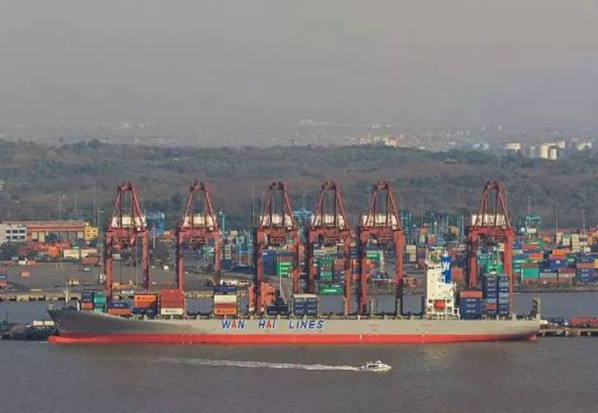
At Jawaharlal Nehru Port, over 300 containers loaded
with frozen food and other perishable items have been stuck since Saturday noon
(February 28), sources told CNBC-TV18. The shipments, destined for Dubai, Iran,
Kuwait, Sharjah and Doha, include grapes, onions, fresh fruits and vegetables,
along with frozen food products.
Exporters have
expressed serious concern over potential losses due to delays, particularly
given the perishable nature of the cargo.
Govind Singh, a
Custom House Agent, said, “My 15–20 containers carrying products worth ₹3–4
crore have been stuck at JNPT since yesterday.” (1Mar)
Staple commodity
exporters are also closely monitoring the situation. Satish Goyal, President of
the All India Rice Exporters Association, confirmed that rice consignments are
affected but said the exact number of stuck containers is still being
assessed. India exports both Basmati
and non-Basmati rice to several Gulf countries, including Saudi Arabia, Iran,
Iraq, Yemen, Jordan, Qatar and Oman. Nearly 80% of India’s Basmati rice exports
are shipped to the Gulf region, with Iran alone accounting for around 35% of
total Basmati exports. Meanwhile,
the situation is more severe at Mundra Port, where around 2,000 containers —
largely rice cargo — are currently stranded. According to sources, a vessel
scheduled to arrive on February 26 was already delayed. By the time its revised
arrival date of February 28 approached, the Iran conflict had escalated,
compounding the disruption.
The dual impact of
geopolitical tensions and vessel delays has left exporters grappling with
uncertainty, rising logistical costs and potential financial losses. Industry
stakeholders warn that prolonged instability in West Asia could significantly
disrupt trade flows, especially for commodities heavily dependent on Gulf
markets.