

Office Address
123/A, Miranda City Likaoli Prikano, Dope
Phone Number
+0989 7876 9865 9
+(090) 8765 86543 85
Email Address
info@example.com
example.mail@hum.com


123/A, Miranda City Likaoli Prikano, Dope
+0989 7876 9865 9
+(090) 8765 86543 85
info@example.com
example.mail@hum.com
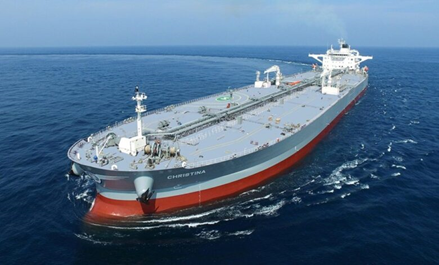
Broker and analytics data suggest the licence will immediately reshape
flows into India. “Opening access to Russian crude … looks likely to have given
India access to ~65m bbls of Russian crude that was previously off limits,”
broker Braemar estimated, arguing that figure could compensate Indian refiners
for roughly 23 days’ worth of lost Middle East Gulf crude. Braemar’s assessment
draws on Vortexa tracking and on‑voyage destination signals: “About 65 million
additional bbls of Russian crude already on board tankers could well end up in
India over the next few weeks,” the note said, breaking the total into parcels
in transit, pre‑March 5 lifts now rerouting, and barrels in floating
storage.
Vortexa‑derived movement patterns underpin the re‑routing thesis: some
8m barrels already in transit have flipped to India as their predicted
destination, while 49m barrels lifted before March 5 remain candidate cargoes
that could be discharged in India rather than heading east. Around 7.6m barrels
sit in floating storage in East Asia.
The first visible sign of that rebalancing arrived
in Mumbai on Wednesday when the suezmax Shenlong – carrying an estimated 1m+
barrels and managed by Greece’s Dynacom – berthed to begin offloading. Local
port officials said the cargo will be refined in Mumbai over the next two days.
The vessel reportedly switched off AIS while transiting the strait but resumed
transmissions before arrival; its crew includes Indian, Pakistani and Filipino
nationals under an Indian master. New Delhi has also been pursuing a
diplomatic safety valve. Indian media report direct talks between external
affairs minister S. Jaishankar and Iran’s Abbas Araghchi have yielded a deal to
allow an initial tranche of some 20 crude tankers and LPG carriers safe passage
through Hormuz – a potential energy lifeline that few other Gulf‑dependent
buyers possess. Iranian officials deny reported assurances in some outlets,
reflecting the delicate, confidential nature of the negotiations.
The OFAC licence and rapid re‑routing mean India can blunt the shock of
evaporating Gulf supplies by absorbing sanctioned or previously stranded
Russian barrels, reshaping short‑term global flows and ton‑mile demand.