

Office Address
123/A, Miranda City Likaoli Prikano, Dope
Phone Number
+0989 7876 9865 9
+(090) 8765 86543 85
Email Address
info@example.com
example.mail@hum.com


123/A, Miranda City Likaoli Prikano, Dope
+0989 7876 9865 9
+(090) 8765 86543 85
info@example.com
example.mail@hum.com
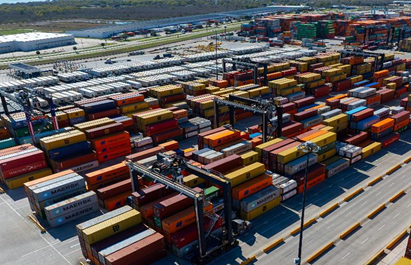
However, container
activity remained flat, with Port Houston handling 326,799 TEU in February,
bringing year-to-date container volumes to 696,833 TEU\, a 2% increase compared
with the same period last year. In the first two months of the year, loaded
exports increased 5%, and loaded imports rose 3% compared to last year,
reflecting continued demand for goods moving through the Houston Ship Channel.
At the port’s multi-purpose facilities, February
volumes for dry and liquid bulk were up 28% and 31% respectively, while steel
declined 27% year-to-date due to cyclical demand and global market conditions.
In February, Port
Houston leaders met with top container customers to share current
infrastructure projects and priorities, as well as long-term plans to
facilitate growth. Over the past decade, Port Houston has been the
fastest-growing major container port in the U.S, with container volumes
increasing at a compound annual growth rate of 7.2% — roughly twice the rate of
the next-fastest port. With anticipated continued strong growth in containers,
Port Houston is planning for future needs.
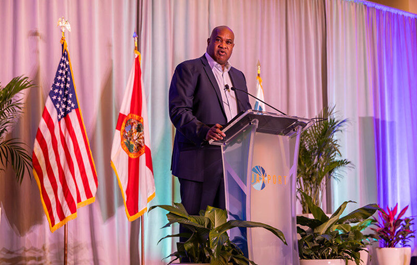
“In February our Port Commission approved the start
of construction of Wharf 1 at the Bayport Container Terminal,” said Charlie Jenkins, CEO of Port Houston.
“This will add 1,300 linear feet of wharf space when it’s complete in 2028. We
also recently completed Wharf 7 at Bayport, which is now open to vessels. Projects
like these wharf additions increase our berth capacity significantly and allow
us to handle more cargo than ever before.”
Port Houston is
strongly advocating for public officials to expedite roadway connectivity
projects. Key freight corridors, such as State Highway 146 and State Highway
225, connect Port Houston’s Barbours Cut and Bayport Container Terminals to
regional distribution centers and inland markets. The port says that continued
investment in these corridors is essential to ensuring the region’s
transportation infrastructure keeps pace with cargo demand.
“We’re routinely
meeting with officials to emphasize the importance of their investments in
these roadways,” said Jenkins. “Reliable landside connectivity is a crucial
component to growth in cargo for our region, which translates to growth in jobs
and the overall economy.”