




Office Address
123/A, Miranda City Likaoli Prikano, Dope
Phone Number
+0989 7876 9865 9
+(090) 8765 86543 85
Email Address
info@example.com
example.mail@hum.com


123/A, Miranda City Likaoli Prikano, Dope
+0989 7876 9865 9
+(090) 8765 86543 85
info@example.com
example.mail@hum.com
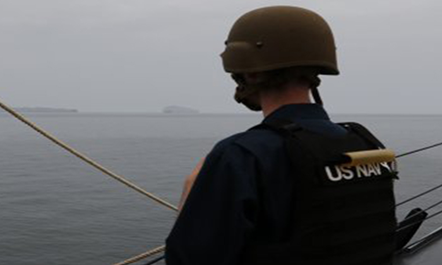
More than 10,000 U.S.
sailors, marines, and airmen are executing the mission which, says CENTCOM, is
being enforced impartially against vessels of all nations entering or departing
Iranian ports and coastal areas, including all Iranian ports on the Arabian
Gulf and Gulf of Oman. U.S. forces are supporting freedom of navigation for
vessels transiting the Strait of
Hormuz to and from non-Iranian ports. What has been clear
for a long time now is that the Strait of Hormuz is now longer functioning as a
vital world oil supply artery.
With the U.S. blockade of Iranian ports in place,
commercial traffic through the Strait of Hormuz remains well below typical
levels, with just six vessels crossing on April 13, compared with 14 the
previous day, says Kpler.
“Even before the
ceasefire and the blockade, flows had already slowed significantly as operators
avoided transits amid security concerns,” notes Kpler. “Confidence among
shipowners remains weak, with ongoing uncertainty around enforcement clarity,
insurance constraints and counterparty exposure continuing to weigh on transit
decisions particularly for laden voyages requiring double approvals. For now,
the operating environment remains high risk, limiting any meaningful recovery
in flows.”