




Office Address
123/A, Miranda City Likaoli Prikano, Dope
Phone Number
+0989 7876 9865 9
+(090) 8765 86543 85
Email Address
info@example.com
example.mail@hum.com


123/A, Miranda City Likaoli Prikano, Dope
+0989 7876 9865 9
+(090) 8765 86543 85
info@example.com
example.mail@hum.com
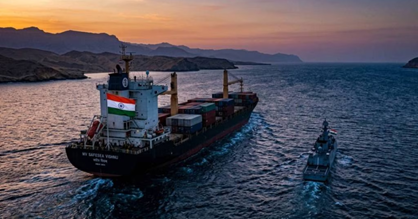
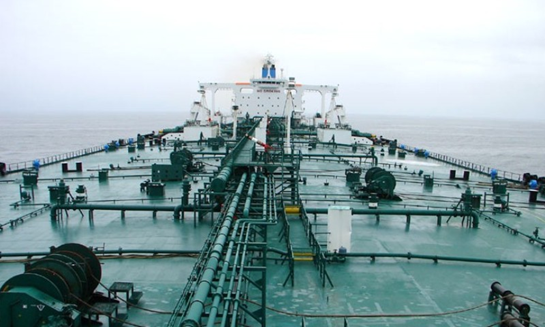
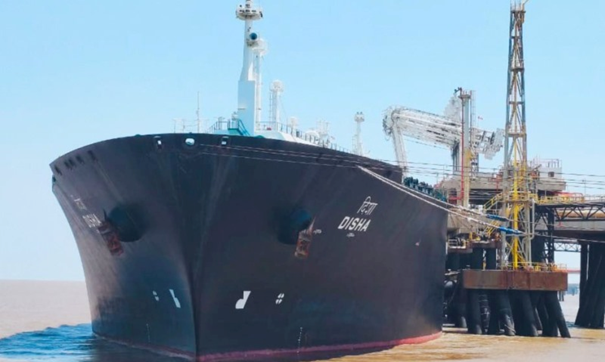
India is preparing to dispatch
oil tankers through the Strait of Hormuz to secure fresh crude supplies from
Middle Eastern producers, even as geopolitical tensions and military risks
continue to cloud the vital waterway. According to multiple industry and
government sources, plans are being finalised for Indian-linked vessels to
resume loading operations at Gulf ports and transit through the strategically
critical corridor that handles roughly 20 percent of the world’s traded oil. The move comes as New Delhi seeks to protect
its energy security amid prolonged instability in West Asia, linked to the
ongoing Iran conflict and regional shipping disruptions. Indian authorities and
shipping operators have been coordinating closely with regional stakeholders to
arrange safe passage for energy cargoes. Diplomatic channels have also been
active, with India holding discussions with Iranian authorities earlier this
year to facilitate the movement of Indian-flagged tankers through the waterway. In a significant development on May 20, multiple
oil tankers carrying an estimated six million barrels of crude oil successfully
exited the Strait of Hormuz, signaling continued — if cautious — movement of
energy shipments through the chokepoint. Shipping and tracking data confirmed
the departures, offering some relief to energy markets that have been on edge
over supply disruptions. Industry analysts said the successful transit may ease
immediate fears over shortages but cautioned that elevated security risks and
insurance premiums remain serious concerns.
On the ground in India, ports
have moved swiftly to adapt. Mormugao Port Authority (MPA) in Goa issued two
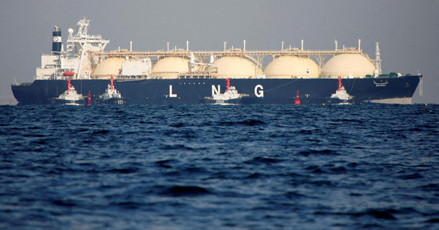
consecutive trade notices within five days, announcing priority berthing for
vessels carrying critical cargo such as crude oil, LNG, LPG, and fertilisers.
Under the directive, shipping agents and vessel operators are urged to ensure
timely submission of statutory documents to avoid delays. The ministry of
ports, shipping and waterways had flagged concerns that the Hormuz crisis could
disrupt energy supply chains linked to the Gulf. In a significant relief for exporters,
Mormugao Port also announced that all applicable concessions and waivers for
export cargo destined for West Asian countries will now be adjusted directly at
the billing stage. The earlier system — where exporters paid the full amount
upfront and sought reimbursements later — has been discontinued with immediate
effect. Port officials said this was aimed at easing cash flow pressures on
trade businesses at a time of rising freight costs and supply chain
uncertainty. Energy analysts note that
India’s decision to push through the Hormuz route reflects the country’s
continued dependence on Middle Eastern crude, despite long-term efforts to
diversify imports from Russia, the United States, and Africa. Saudi Arabia, the
UAE, Iraq, and Kuwait together account for a large share of India’s crude
basket, and any prolonged disruption to Hormuz transit could significantly
raise import costs for Indian refineries. With oil prices already volatile amid
geopolitical uncertainty, the stakes for India’s energy import strategy have
rarely been higher.
Maritime
operators continue to implement enhanced risk-management measures including
adjusted routing, increased monitoring, additional insurance coverage, and war
risk premiums. The situation remains fluid, and Indian refiners and government
officials are expected to keep a close watch on vessel movements and security
updates in the coming weeks.