US Eases Iranian Oil Sanctions After Progress in Peace Talks, Hormuz Traffic Rebounds
The temporary
licence, announced by US Treasury Secretary Scott Bessent, will remain in
effect until August 21 and permits Iranian oil exports to the United States as
part of a memorandum of understanding signed between Washington and Tehran on
June 17. The waiver excludes transactions involving North Korea, Cuba and
Russian-occupied regions of Ukraine. Bessent said the negotiations had made
significant progress, citing Iran’s commitment to ensure free and open
navigation through the Strait of Hormuz and to allow inspectors from the
International Atomic Energy Agency (IAEA) into the country. He described the
discussions as productive and said several provisions of the agreement were
already being implemented. The
announcement came amid encouraging reports from mediators involved in talks
held in Burgenstock, Switzerland. US Vice President JD Vance said negotiators
had established a strong foundation for a final agreement and expressed
confidence that discussions would continue despite recent public exchanges
between President Donald Trump and Iranian officials. The sanctions relief triggered a sharp
reaction in oil markets, with Brent crude prices falling more than 3.5% to
around $77.7 per barrel as traders anticipated the return of additional Iranian
supplies. While Washington has linked the negotiations to
concerns over Iran’s nuclear programme and future international inspections,
Tehran maintained that no new commitments regarding its nuclear activities were
made during the latest round of talks. Iranian officials reiterated that the
country’s nuclear programme remains focused on civilian purposes. Meanwhile,
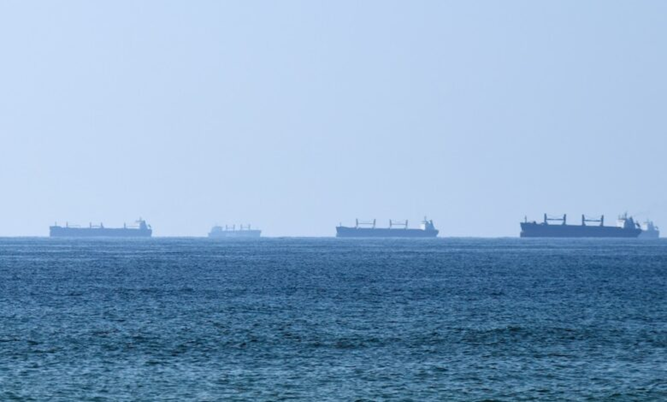
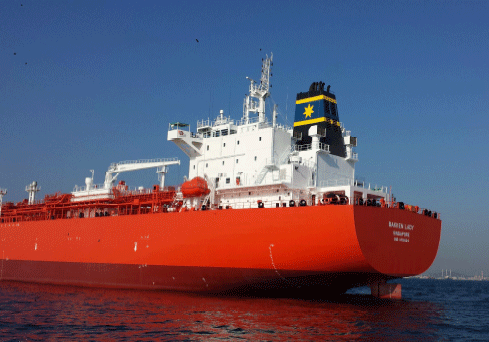
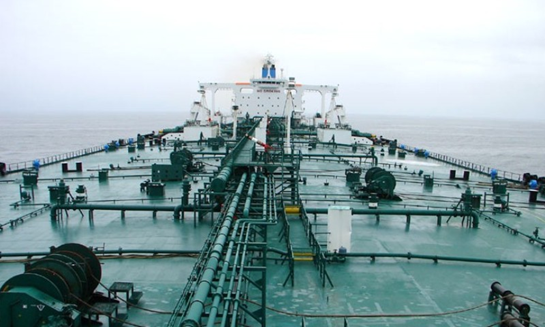
tanker traffic through the Strait of Hormuz showed signs of recovery. Several
LNG carriers and crude oil tankers transited the strategic waterway on Monday,
reflecting improving confidence among ship operators. According to shipping
services provider Clarksons, vessel movements remain below pre-conflict levels
but the overall trend is positive.
The development is expected to ease concerns over potential disruptions
to global energy supplies and reduce pressure on oil markets that had been
heightened by recent tensions in the Gulf region.
Related News