


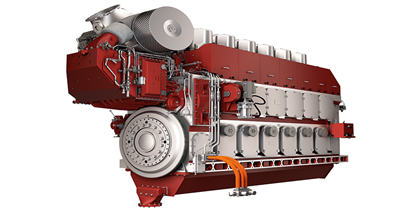
New MaK engine alcohol-based fuel conversion kits
Both approaches
support vessel owners’ sustainability initiatives and align with 2050 FuelEU Maritime regulations.
Existing M 32 and M 43 engines are transformed into methanol and ethanol
dual-fuel capable systems by the dual fuel conversion’s high-pressure direct
injection (HPDI) technology. The fuel-blending solution is specifically
engineered for diesel M 20 to VM 43 engines. This allows operators to
seamlessly transition between methanol or ethanol and diesel, providing
flexibility to support annual fleet-wide sustainability objectives. It also,
notes Caterpillar, provides operators important fuel flexibility port to port
while maintaining the engines’ inherent ability to run on biofuels.
Given the expense of permanently taking a vessel
out of commission or building a new ship, says Caterpillar, the kits provide an
economical alternative that enables operators to utilize current assets and
meet evolving industry requirements with minimal disruption. Following
installation, says Caterpillar, engine performance and maintenance intervals
remain consistent to support ease of ownership. “We’re leveraging our expertise with
methanol and ethanol across marine applications to empower MaK engine owners to
continue operating the systems they trust while keeping pace with FuelEU
Maritime requirements,” said Sven Rosenow, global services director for MaK at
Caterpillar. “Our alcohol-based fuel conversion kits help existing cruise,
container, ferry and passenger ships to remain in service while reducing
potential costs associated with IMO guidelines.” The alcohol-based fuel conversion
solutions are the latest addition to Caterpillar’s portfolio of solutions that
support the use of lower-carbon intensity fuels.
Related News