




Office Address
123/A, Miranda City Likaoli Prikano, Dope
Phone Number
+0989 7876 9865 9
+(090) 8765 86543 85
Email Address
info@example.com
example.mail@hum.com


123/A, Miranda City Likaoli Prikano, Dope
+0989 7876 9865 9
+(090) 8765 86543 85
info@example.com
example.mail@hum.com
With
India importing nearly 85 percent of its crude oil requirements and a
significant portion sourced from Middle Eastern producers, the prolonged
disruption of the Strait of Hormuz has become one of the most pressing
strategic challenges for New Delhi since the conflict erupted in February. In a
development closely tracked by energy markets, India is now preparing to send
oil tankers back through the critical waterway despite the continuing risks
posed by the regional conflict.
According to sources familiar
with the matter, plans are being finalised for Indian-linked vessels to resume
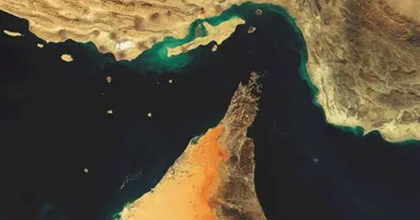
loading operations through the Hormuz corridor — a narrow, 33-kilometre-wide
passage between Iran and Oman through which roughly 17-20 million barrels of
oil flow daily, representing about 20 percent of global petroleum trade and 30
percent of all seaborne oil. The move
comes as India balances a delicate act: securing crude supplies from its
largest regional suppliers, including the UAE, Saudi Arabia, Iraq, and Kuwait,
while managing the escalating security risks in the Gulf. Several tankers —
primarily from other Asian markets — have already managed to make transits
through the waterway in recent weeks, offering a tentative signal that movement
through Hormuz is possible even if conditions remain difficult. Indian authorities are reported to have held
diplomatic-level discussions with Iranian officials to facilitate movement of
Indian-flagged tankers through the strait. These talks are part of a broader
effort to protect India’s energy supply chain, which feeds approximately 100
million barrels of monthly refining capacity across state-run and private
refiners including Indian Oil Corporation, Hindustan Petroleum, Bharat
Petroleum, and Reliance Industries.
Energy
analysts note that while India has successfully diversified a portion of its
oil imports toward Russia — which became one of India’s largest crude suppliers
following the Ukraine conflict-linked sanctions that began in 2022 — Russian
oil arrives via longer trade routes and does not easily substitute for the Gulf
grades that feed specific refinery configurations in India.
The Strait of Hormuz remains
the most critical chokepoint in India’s energy supply chain, and any sustained
blockage raises immediate risks of fuel price inflation, refinery throughput
disruptions, and a potential balance-of-payments strain given India’s heavy
import dependence. Insurance premiums for tankers transiting the Strait have
reportedly surged to multi-year highs, adding substantially to landed crude
costs. Industry observers expect that a
gradual reopening of Hormuz tanker traffic — possibly facilitated by the
ongoing US-Iran diplomatic talks — could bring relief to Asian buyers,
including Japan and South Korea, who are similarly exposed to Middle Eastern
supply chains. For India, the stakes
are particularly high.
The country’s strategic petroleum reserve (SPR) capacity offers only limited
buffer, underscoring the urgency of restoring normal flows through one of the
world’s most indispensable maritime corridors.