




Office Address
123/A, Miranda City Likaoli Prikano, Dope
Phone Number
+0989 7876 9865 9
+(090) 8765 86543 85
Email Address
info@example.com
example.mail@hum.com


123/A, Miranda City Likaoli Prikano, Dope
+0989 7876 9865 9
+(090) 8765 86543 85
info@example.com
example.mail@hum.com
Oil prices were about four per cent lower on Wednesday (27 May) after
Iranian state TV said it had seen a draft of an initial, unofficial framework
for an agreement between Iran and the United States on ending their conflict
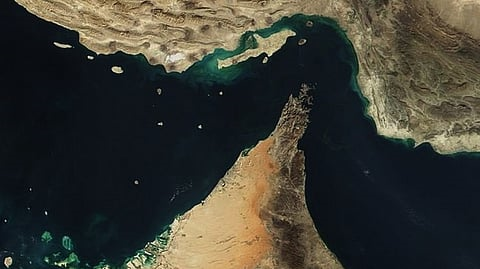
and reopening the Strait of Hormuz.
The report, plus a pick-up in tanker traffic through the strait,
outweighed Iran's earlier comments that the United States had violated a
ceasefire and a tanker on Tuesday reporting
an explosion off the Oman coast.
Brent crude futures fell $3.94, or four per cent,
to $95.59 a barrel by 12:36 GMT (16:36 GMT), while US West Texas Intermediate
crude lost $3.97, or 4.24 per cent, to $88.91.
Brent fell more than five per cent to as little as
$94.16 earlier in the session, while WTI fell over six per cent to $87.77, both
marking their lowest in a month. The losses more than erased Brent's gains from
Tuesday.
The US will withdraw military forces from the
vicinity of Iran and lift its naval blockade, Iranian state TV said, adding
that the management of ship traffic through the Strait of Hormuz will be
handled by Iran in co-operation with Oman.
US President Donald
Trump told a cabinet meeting on Wednesday that Iran very much wanted to make a
deal, but that the US was not satisfied with it yet. Iran's Fars News has
said unresolved issues remain. US
Secretary of State Marco Rubio said there has been some progress in
negotiations with Iran towards a deal.
"Crude futures are under heavy selling
pressure in the early trade, dropping over five per cent as a leader from the
Iranian military stated that the possibility of returning to war is low, which
has many traders believing a peace deal is getting closer...It seems the
extremely tight global supplies that had been factored into crude are beginning
to lessen," said Dennis Kissler, senior vice president of trading at BOK
Financial.
July Brent futures had risen 3.6 per cent in the
previous session after the US carried out new strikes in Iran, hurting hopes
that had risen over the weekend that Washington and Tehran would reach a peace
deal. Israel ramped up bombing in Lebanon on Tuesday, further straining peace
efforts.
After an April ceasefire in the three-month-long conflict, both sides indicated
they had made progress in talks towards reopening the strait. Iran's effective closure of the Strait of
Hormuz has taken more than 14 million barrels per day of Middle East oil supply
offline, according to the International Energy Agency. In a sign of demand weakening, India's two
largest airlines have sharply cut their planned domestic flights for June and
July, sources familiar with the matter said, as the industry grapples with a
rise in jet fuel costs in the wake of the Iran war.