




Office Address
123/A, Miranda City Likaoli Prikano, Dope
Phone Number
+0989 7876 9865 9
+(090) 8765 86543 85
Email Address
info@example.com
example.mail@hum.com


123/A, Miranda City Likaoli Prikano, Dope
+0989 7876 9865 9
+(090) 8765 86543 85
info@example.com
example.mail@hum.com
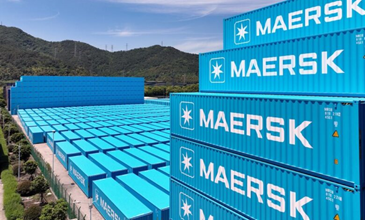
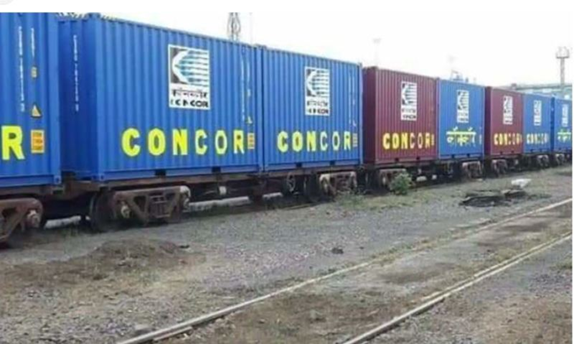
Measured in teu-miles, 30% of all global container shipping work now
involves repositioning empty boxes, up from 24% pre-pandemic. The number of
empty containers shipped has grown 65% since the first quarter of 2019, while
the number of full containers has grown just 17% over the same period. Total
demand, measured in TEU-miles, has grown 40%. In practical terms, Sea-Intelligence
calculates that carriers are now moving double the volume of empty containers –
measured by distance – compared with before the pandemic.
The analysis points directly to widening global trade imbalances as the
driver. Where cargo flows are unequal between regions, carriers are obliged to
reposition empty equipment to where demand requires it, absorbing both the cost
and the capacity to do so. Sea-Intelligence warned the trend has direct
consequences for freight rates. “The added cost of these imbalances will result
in increased costs – and hence freight rates – for the head-haul shippers,” the
consultancy concluded, noting that it is the shippers on the high-volume lanes
who ultimately bear the expense of repositioning the industry’s growing surplus
of empty boxes. The findings underscore a growing structural challenge for liner
shipping, where the efficiency gains achieved through larger vessels and
network optimisation are increasingly being offset by the cost of managing
global trade imbalances.