


Office Address
123/A, Miranda City Likaoli Prikano, Dope
Phone Number
+0989 7876 9865 9
+(090) 8765 86543 85
Email Address
info@example.com
example.mail@hum.com


123/A, Miranda City Likaoli Prikano, Dope
+0989 7876 9865 9
+(090) 8765 86543 85
info@example.com
example.mail@hum.com
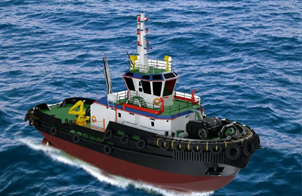
The project marks
another step in GRSE’s growing portfolio of electric and hybrid vessels as
ports across the country adopt cleaner technologies to reduce emissions and
support sustainable harbour operations. The electric tug will measure 25 metres in length
with an 8-metre beam
and will be powered entirely by battery-electric propulsion. Designed for harbour assistance and towing
duties, the vessel will deliver a static
ahead bollard pull of 15 tonnes, have a maximum speed of 9 knots,
and offer two hours of
continuous operating endurance on battery power. The tug will
be constructed in accordance with International
Association of Classification Societies (IACS) standards and
will incorporate advanced battery propulsion technology aimed at reducing
emissions during port operations. The project
aligns with the maritime sector’s increasing focus on decarbonisation through
the deployment of electric and low-emission vessels. Battery-powered
harbour tugs are emerging as a practical solution for reducing greenhouse gas
emissions and improving air quality in ports, particularly as governments and
port authorities introduce greener operational standards.
GRSE has been expanding its capabilities in the
construction of environmentally friendly vessels alongside its defence
shipbuilding programmes. The shipyard
has previously delivered a fully electric, zero-emission ferry to the
Government of West Bengal and is currently building 13 hybrid ferries
for the state government. In the commercial shipbuilding segment, GRSE is also
constructing 12
multi-purpose vessels for a German customer, with four vessels featuring green propulsion
systems. The company is
additionally progressing discussions for the construction of five Next Generation Corvettes,
further strengthening its order book across defence and commercial
sectors. GRSE remains one of
India’s leading defence shipbuilders, having delivered 118 warships to the
Indian Navy, Indian Coast Guard and friendly foreign countries. The
company said its in-house ship design capabilities, modern shipbuilding
infrastructure and experience in constructing complex vessels continue to
support its expansion into emerging areas of commercial and sustainable
shipbuilding.