Government Lifts Temporary Fuel Sale Restrictions as Supply Situation Improves
The Ministry of Petroleum and Natural Gas announced
that the order comes into effect from 1 July 2026, restoring normal
retail fuel operations across the country.
The restrictions,
imposed on 12 June 2026, limited
the sale of High Speed Diesel (HSD)
to 200 litres per customer or vehicle
per day at retail outlets. Industrial, institutional and commercial
consumers were also directed to procure fuel through designated consumer pumps
instead of retail fuel stations. The emergency measures were introduced after
geopolitical tensions in West Asia disrupted the Strait of Hormuz, one of the world’s most critical energy shipping
routes, causing international crude oil prices to surge. As India imports nearly 85% of its crude oil requirements, the
sharp rise in global crude prices placed pressure on the domestic fuel market.
While the government kept retail fuel prices stable to shield consumers from
inflation, commercial and industrial users continued purchasing fuel at
market-linked rates. The widening price difference prompted some bulk consumers
to shift procurement to retail outlets, leading to abnormal demand growth and
raising concerns over fuel diversion, hoarding and black marketing. To prevent supply distortions and ensure uninterrupted fuel availability
for retail consumers, the government introduced temporary controls under the
Essential Commodities framework. According to the Ministry of Petroleum and
Natural Gas, the measures successfully maintained nationwide availability of
petrol and diesel while preventing disruptions in the supply chain. Following a
review of petroleum inventories and domestic supply conditions, the government
concluded that the restrictions were no longer necessary in the public
interest. The decision reflects an improvement in global energy supply conditions
and the resilience of India’s diversified crude sourcing strategy, which helped
cushion the domestic market during the period of uncertainty. The episode also underscored the
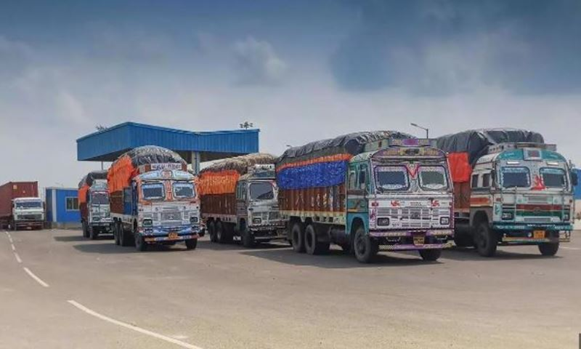
importance of stable fuel supplies for India’s logistics sector. Diesel remains
the primary fuel for road freight, which carries the majority of the country’s
factory inputs, consumer goods, industrial cargo and export shipments. Any
disruption in fuel availability can directly affect cargo movement, fleet
utilisation and supply chain efficiency.
Recent congestion at the
Jawaharlal Nehru Port Authority, where container dwell times increased in May,
highlighted the operational impact of fuel-related disruptions. With the
withdrawal of the temporary restrictions, normal fuel distribution has resumed,
providing relief to transporters and logistics operators while supporting
smoother cargo movement across India’s freight network.

Related News