




Office Address
123/A, Miranda City Likaoli Prikano, Dope
Phone Number
+0989 7876 9865 9
+(090) 8765 86543 85
Email Address
info@example.com
example.mail@hum.com


123/A, Miranda City Likaoli Prikano, Dope
+0989 7876 9865 9
+(090) 8765 86543 85
info@example.com
example.mail@hum.com
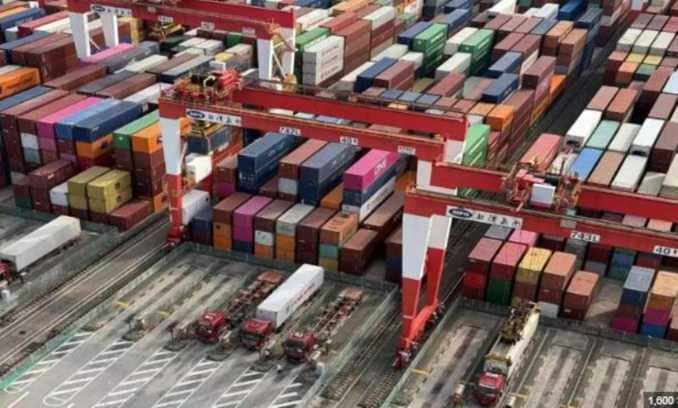
The revised routing has emerged as a practical
alternative following limitations on the movement of Indian goods through
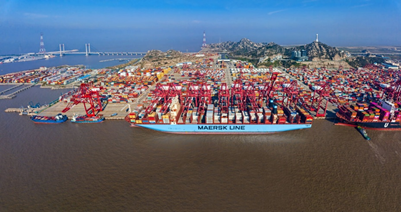
Pakistani territory. Exporters are now relying on Dubai as a transshipment hub,
from where cargo is consolidated and forwarded to Afghanistan using multimodal
transport networks. The shift is expected to extend transit
times and raise freight, warehousing, and handling costs due to the additional
shipping leg and customs procedures. Sectors including pharmaceuticals, food
products, textiles, engineering goods, and consumer merchandise are among those
most affected, as Afghanistan remains an important export destination for
Indian manufacturers. Logistics
providers have responded by expanding transshipment services through the UAE,
leveraging Dubai’s well-established port infrastructure, warehousing
facilities, and global connectivity. Freight forwarders are also exploring
integrated sea-air and multimodal solutions to minimise delivery delays and
maintain supply chain reliability.
Industry experts believe the rerouting highlights the vulnerability of
regional trade to geopolitical developments and underscores the need for
diversified transport corridors. Businesses are increasingly evaluating
alternative logistics strategies to reduce dependence on a single transit route
and improve supply chain resilience.
While the new routing through Dubai is expected to sustain trade flows
between India and Afghanistan, it comes with higher operational costs that may
ultimately affect exporters’ competitiveness. Nevertheless, the development
reinforces Dubai’s growing role as a strategic logistics hub for South Asian
and Central Asian trade, enabling continued market access despite evolving
regional transit challenges.