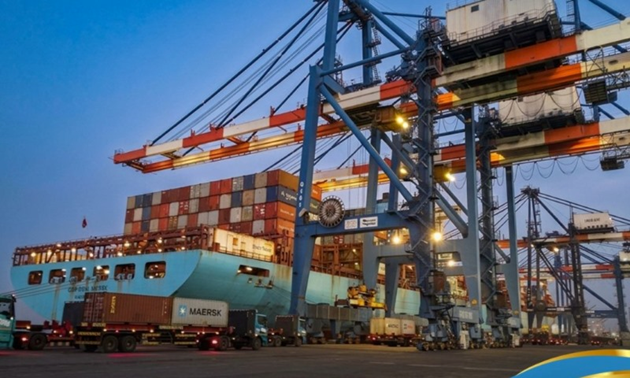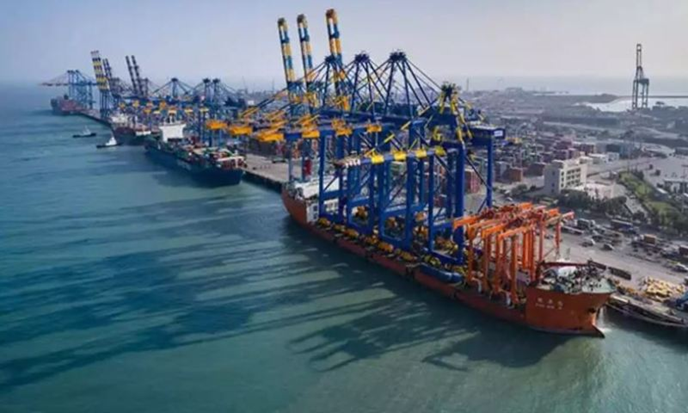
SCCT Becomes Egypt’s First Container Terminal Powered Entirely by Renewable Electricity
The agreement enables the terminal to source all of
its electricity from renewable energy, supporting Egypt’s efforts to
decarbonise port infrastructure while advancing APM Terminals’ global
sustainability strategy.
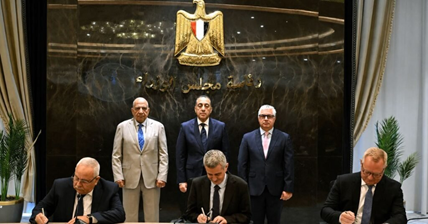
The agreement was signed at the Cabinet headquarters in Cairo in the
presence of Prime Minister Dr.
Mostafa Madbouly and senior government officials, highlighting the
strategic importance of renewable energy in Egypt’s transport and logistics
sectors. Once implemented, the
agreement is expected to eliminate approximately 30,000 tonnes of carbon dioxide (CO₂) emissions each year by
replacing fossil fuel-based grid electricity with electricity generated from
solar and wind energy. According to APM
Terminals, the emissions reduction will account for approximately 6% of the group’s baseline emissions,
reflecting the scale of SCCT’s operations.
The initial agreement will run for one year,
with an option for renewal.
The power purchase agreement follows more than two
years of collaboration between SCCT, SCZONE, NREA and the Egyptian Electric
Utility and Consumer Protection Regulatory Agency (EgyptERA). The companies said the agreement establishes
a framework that could support wider adoption of renewable electricity across
Egypt’s port sector. Prime Minister Dr. Mostafa Madbouly
said: “The State places great importance on expanding the adoption of
clean energy across various development projects. These agreements represent a
successful model of integration between government entities and the private
sector in delivering the State’s green transition objectives, enhancing the efficiency
of ports and industrial zones, and strengthening the competitiveness of the
Egyptian economy.” Walid Gamal
El-Din, Chairman of the General Authority for the Suez Canal Economic Zone,
said: “These agreements reflect the progress achieved by the Authority
in integrating environmental sustainability standards into the development and
operation of the ports under its jurisdiction. The Authority continues to work
towards providing an integrated investment environment that supports investors
in adopting global best practices in the fields of energy and operational
efficiency.” Keld Mosgaard
Christensen, CEO of Suez Canal Container Terminal, added: “This
agreement is a defining moment for SCCT and for sustainable port operations in
Egypt. By powering one of the region’s busiest gateways entirely with renewable
electricity, we are cutting emissions at scale while showing what is possible
when industry and government move together on the energy transition. I want to
thank our partners at SCZONE, Ministry of Electricity represented by NREA and
EgyptERA for the vision and partnership that made this possible.”
Walid Gamal El-Din further noted: “The
collaboration between the New and Renewable Energy Authority and Suez Canal
Container Terminal represents a model for partnerships aimed at promoting the
use of renewable energy within ports. This contributes to reducing the carbon
footprint of operational activities and keeping pace with the evolving
requirements of global trade and supply chains, which are placing increasing
emphasis on sustainability standards. The Suez Canal Economic Zone remains
committed to implementing its vision for developing its ports and industrial
zones in line with the latest international standards, further strengthening
its position as a global hub for industry and logistics services.” The
renewable electricity agreement aligns with APM Terminals’ broader decarbonisation roadmap, which
targets 100% renewable electricity
across its global operations by 2030 and net-zero greenhouse gas emissions throughout
its value chain by 2040. The
company currently sources approximately 62% of its global electricity from
renewable energy, with the SCCT project representing another milestone in
reducing emissions from port operations.

Related News